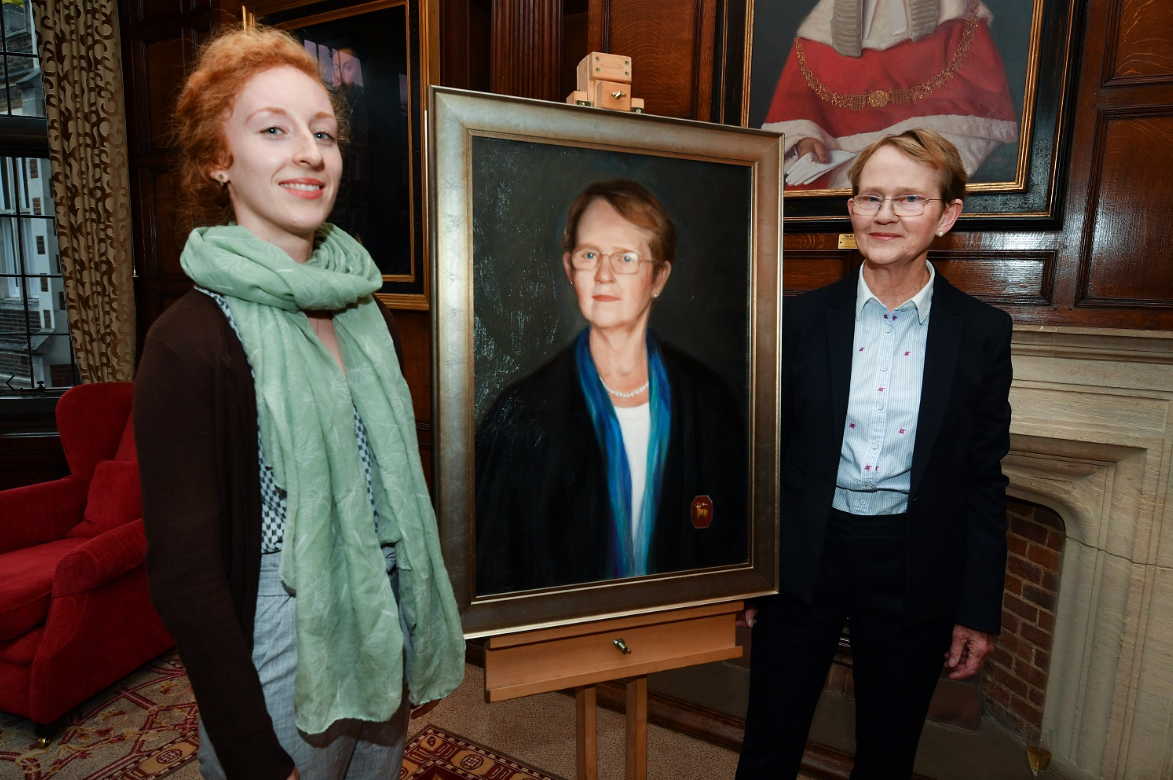
What Is Classical Portrait Painting? A Tradition of Looking Deeply
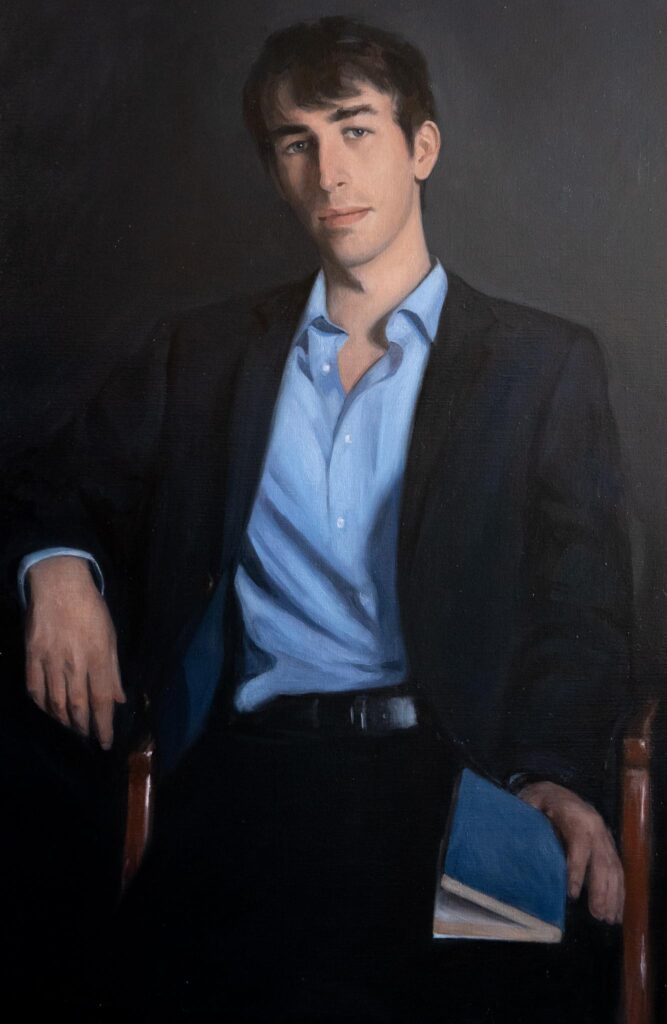
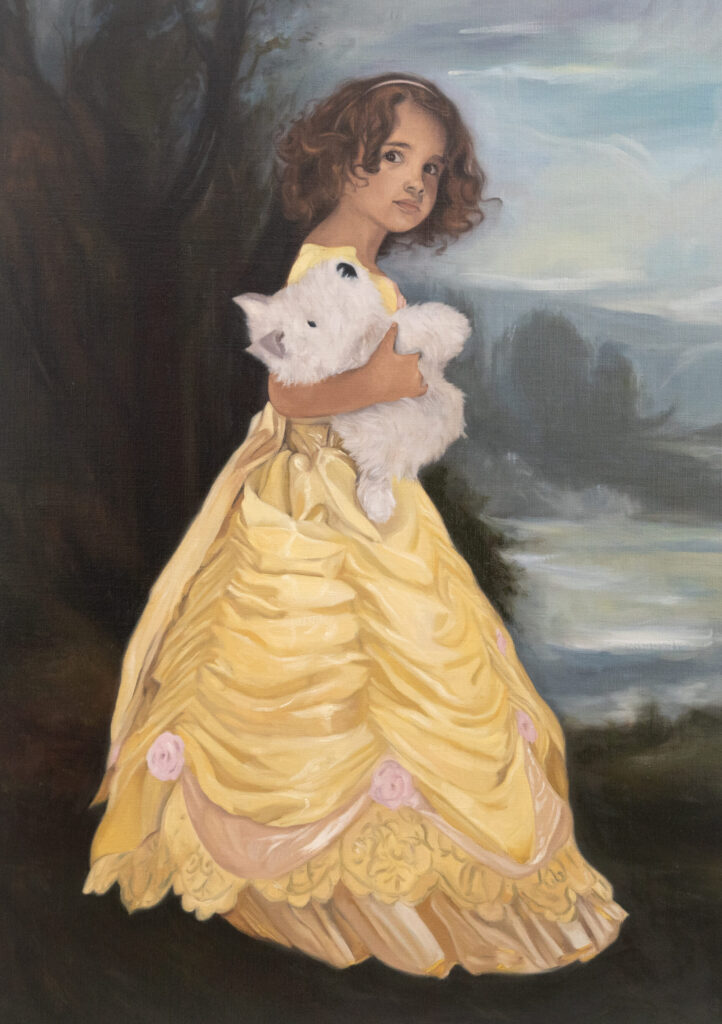
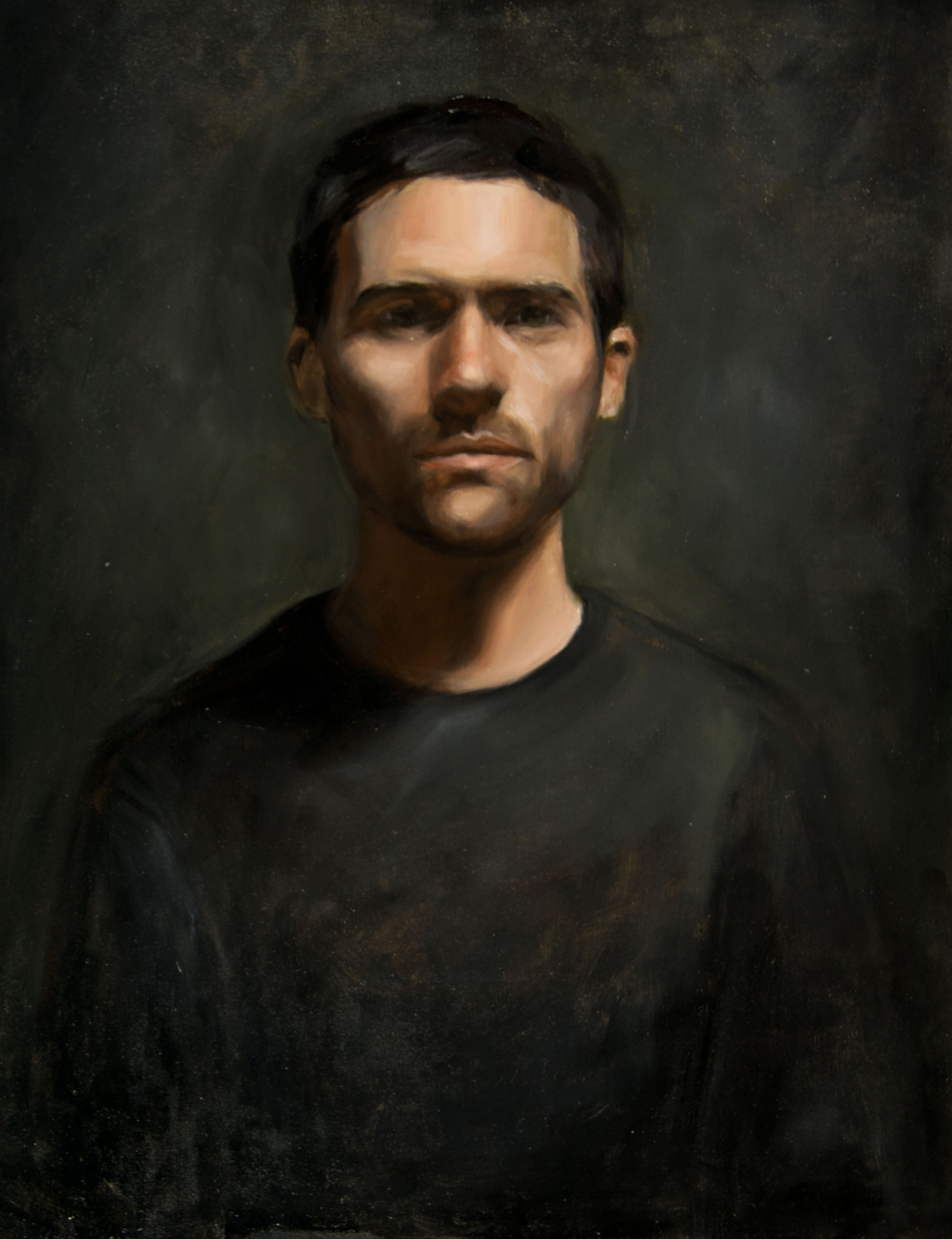
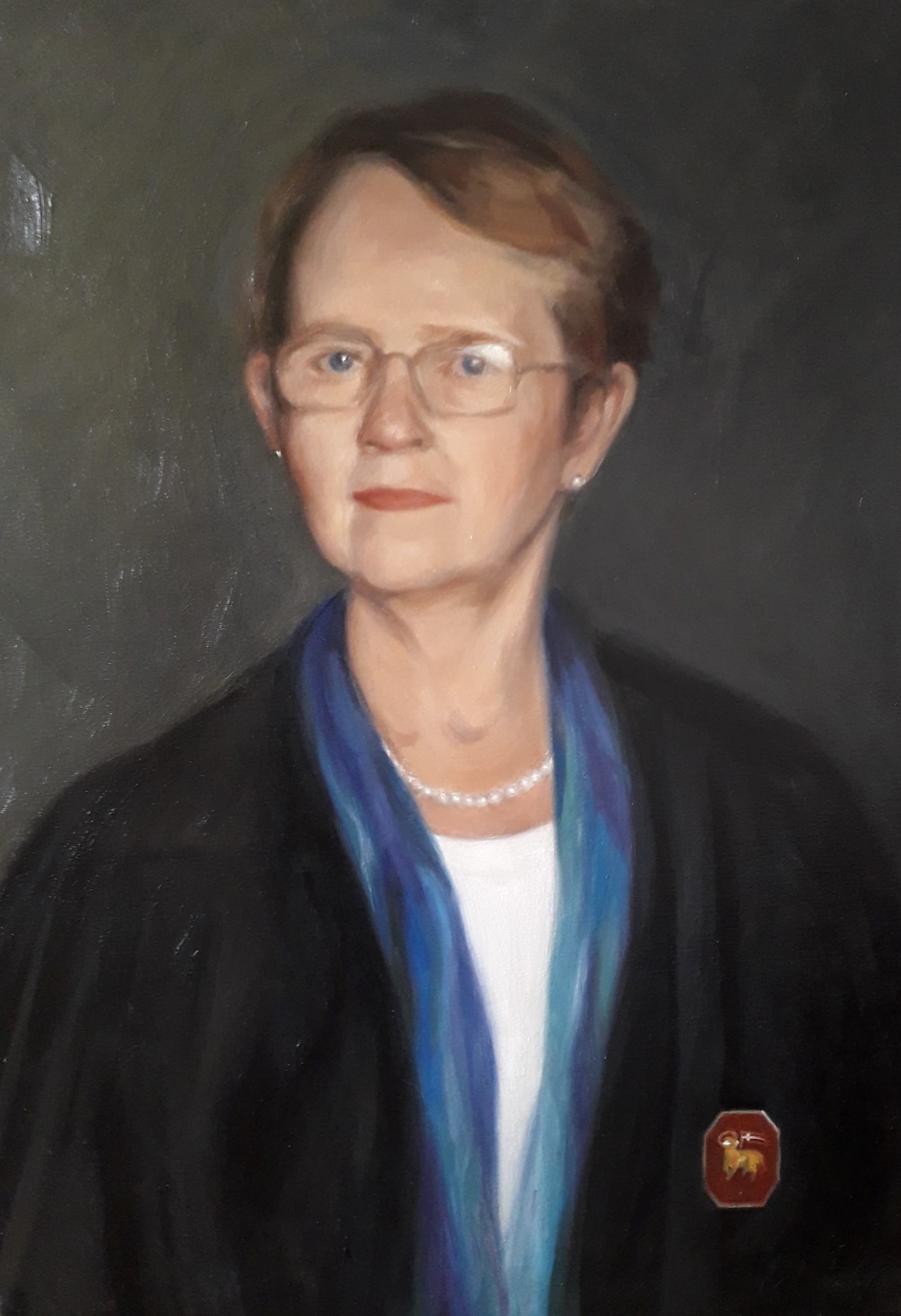
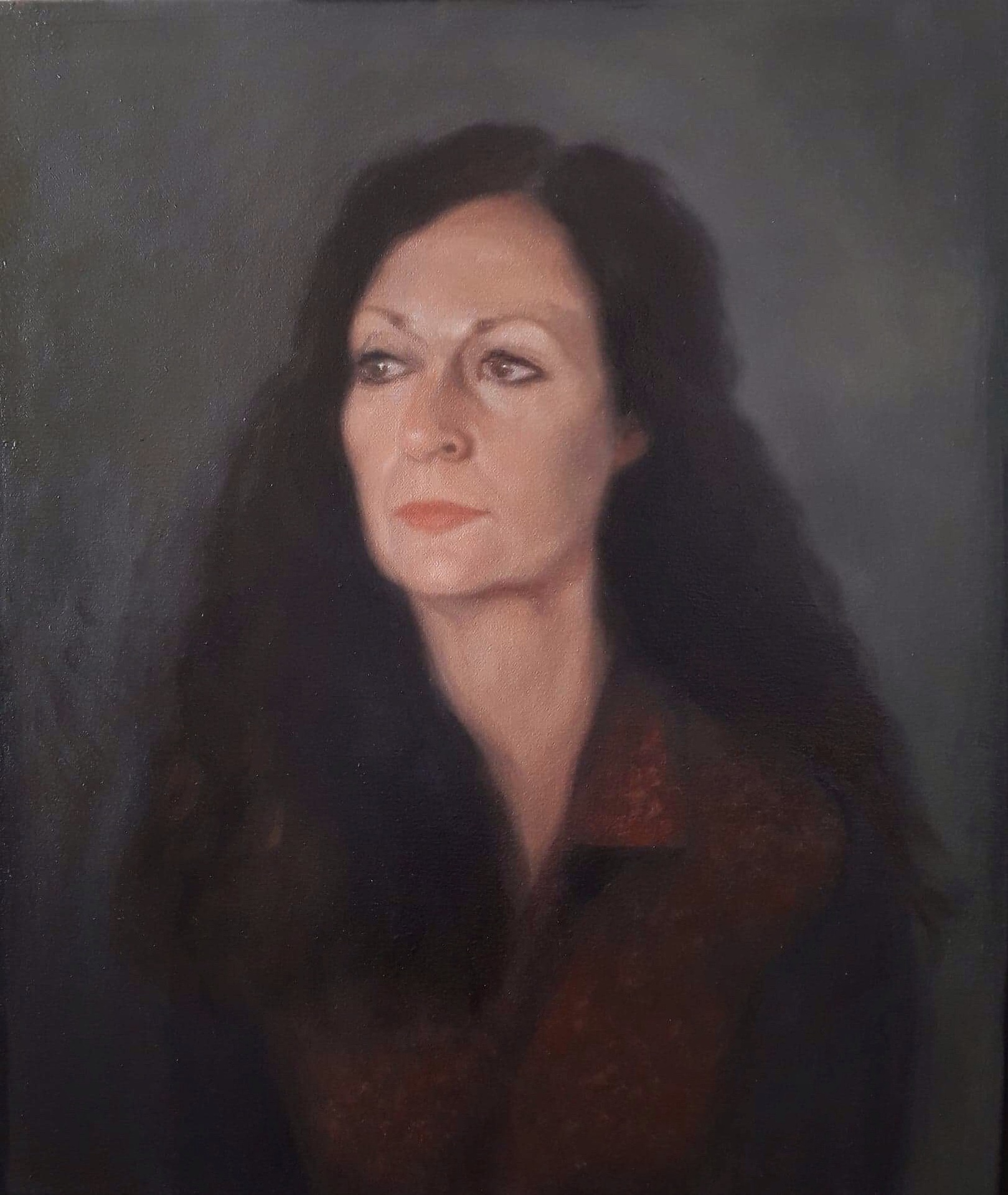
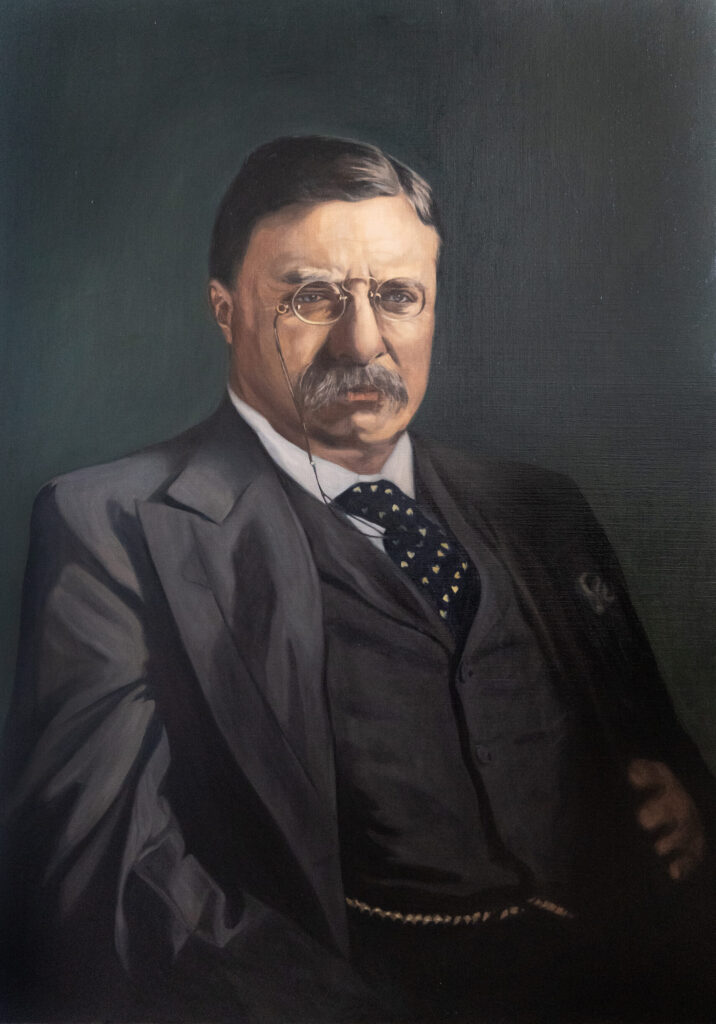
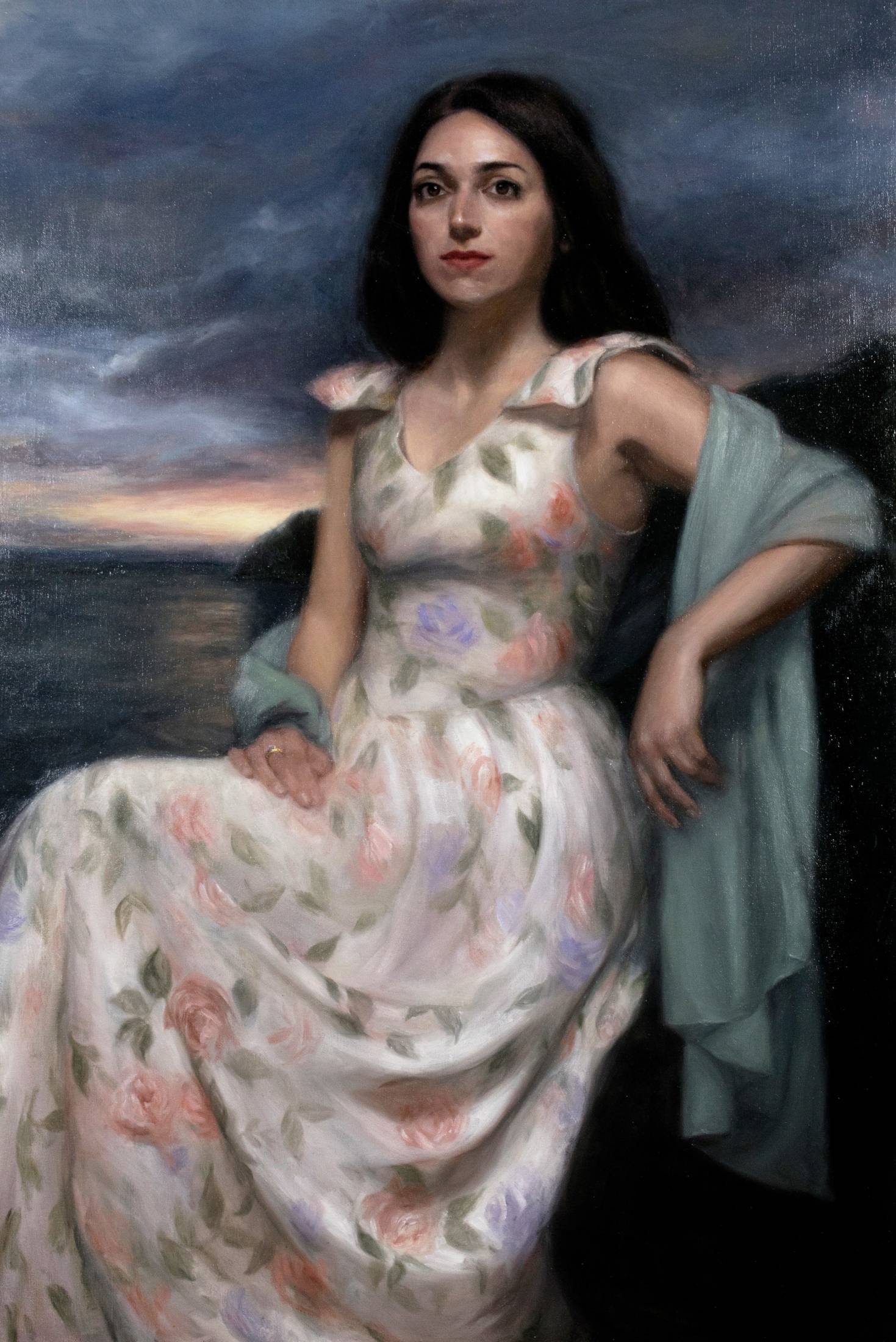
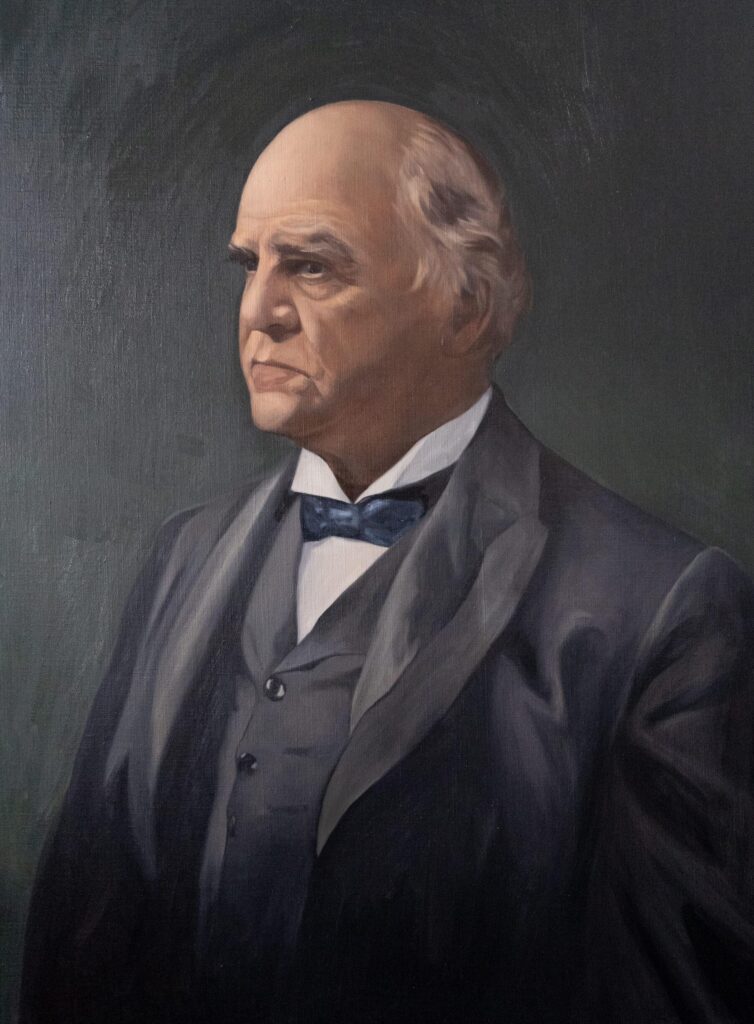
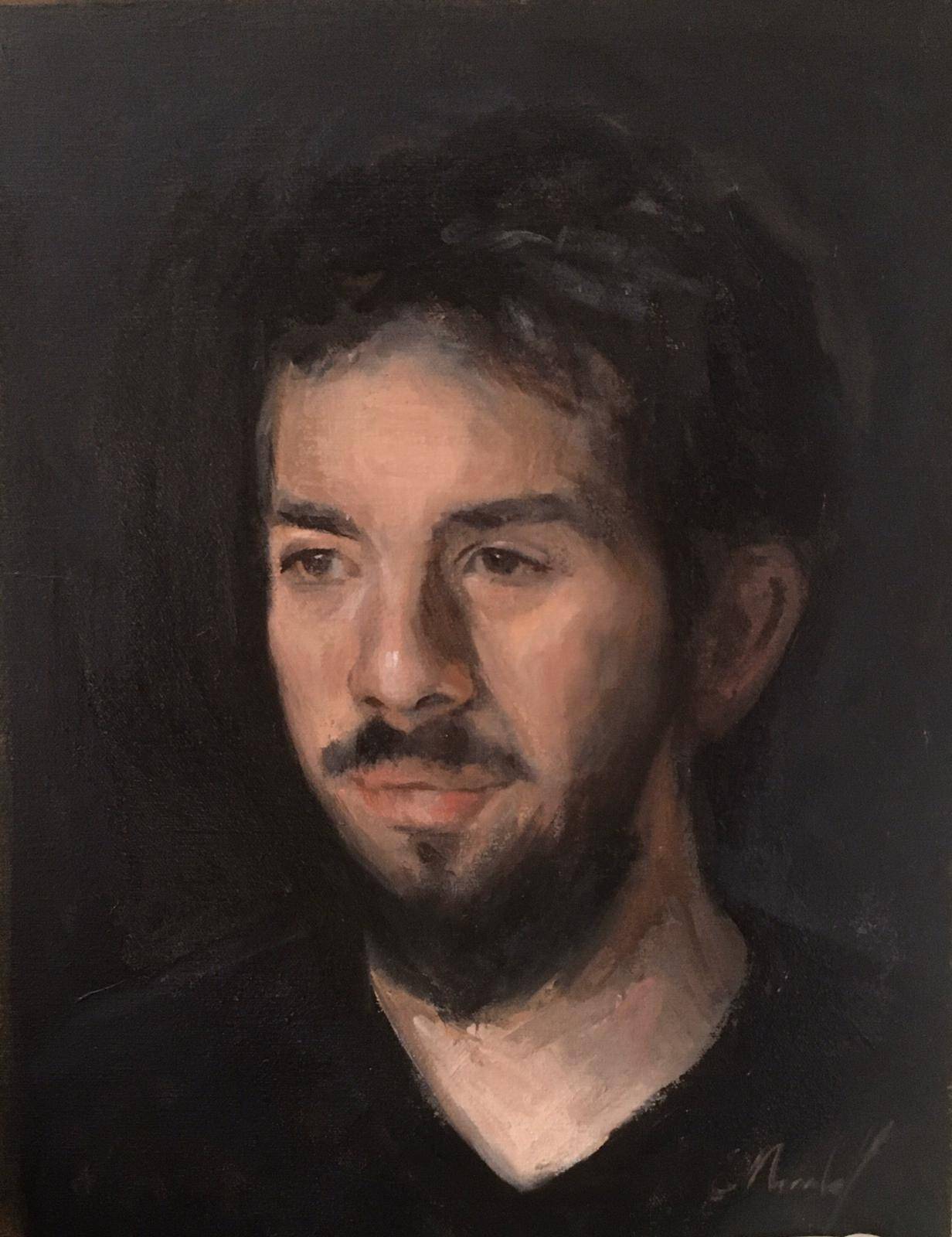
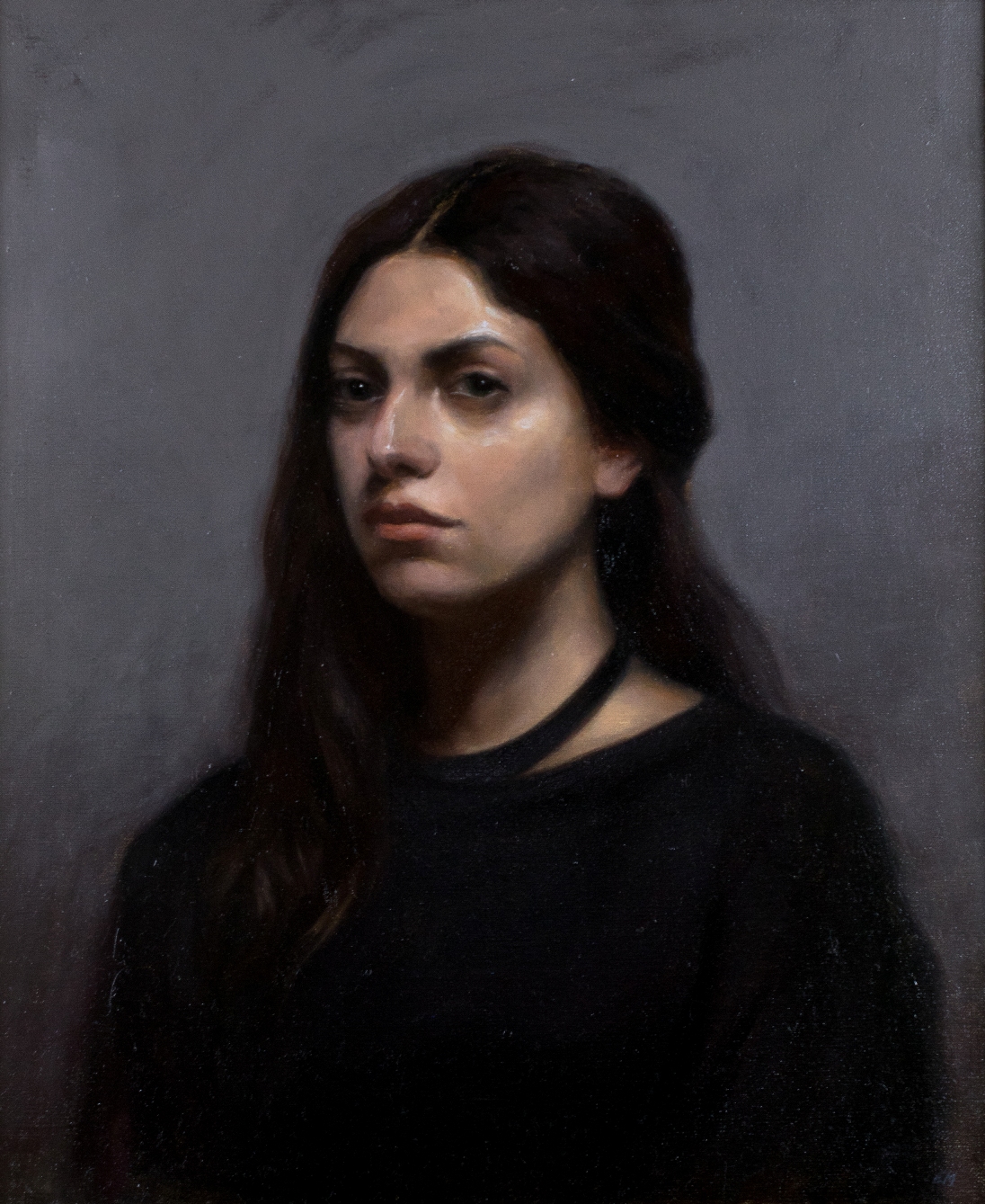
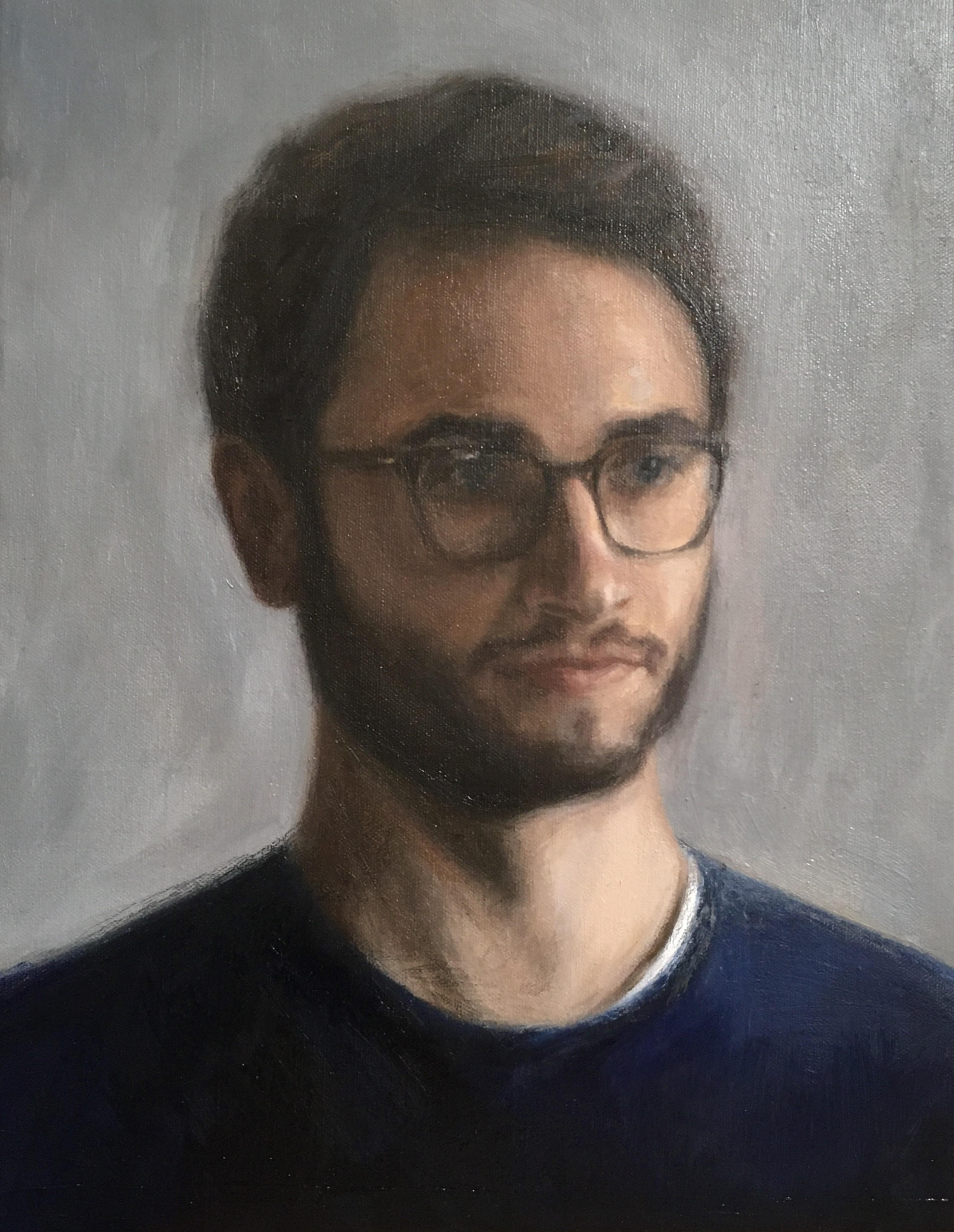
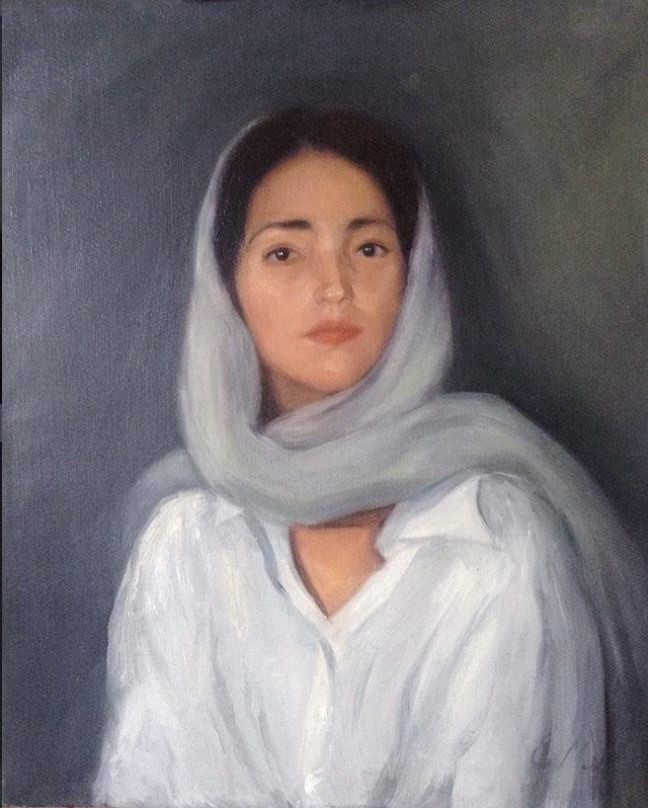
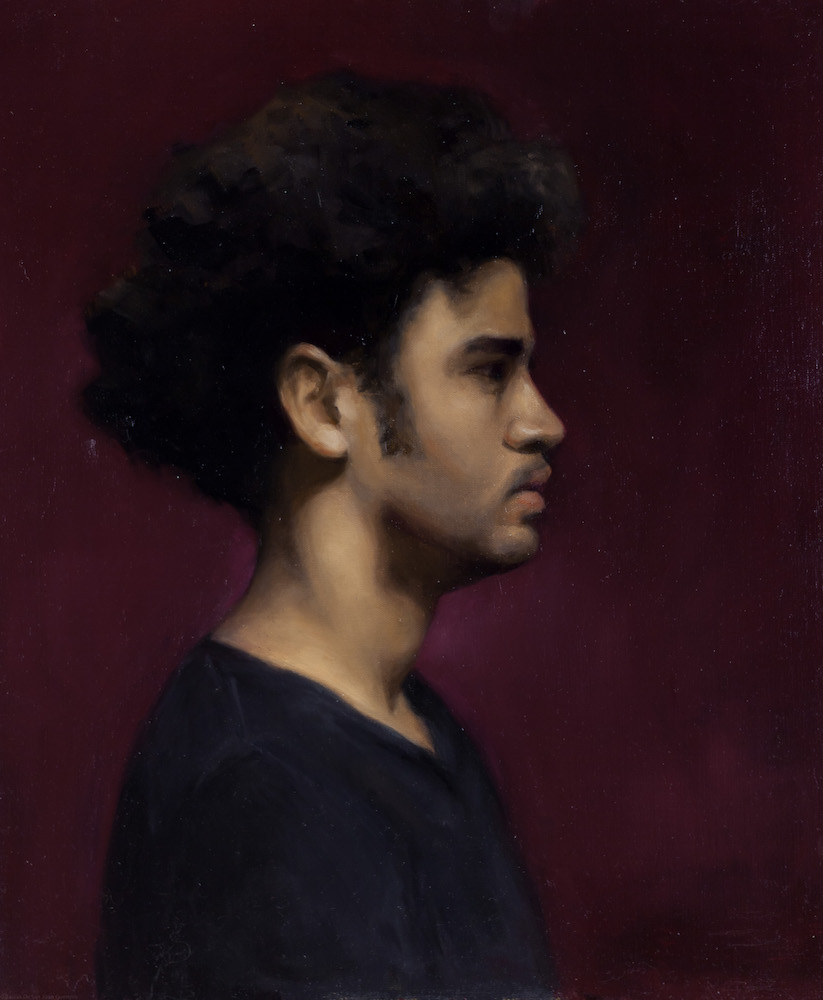
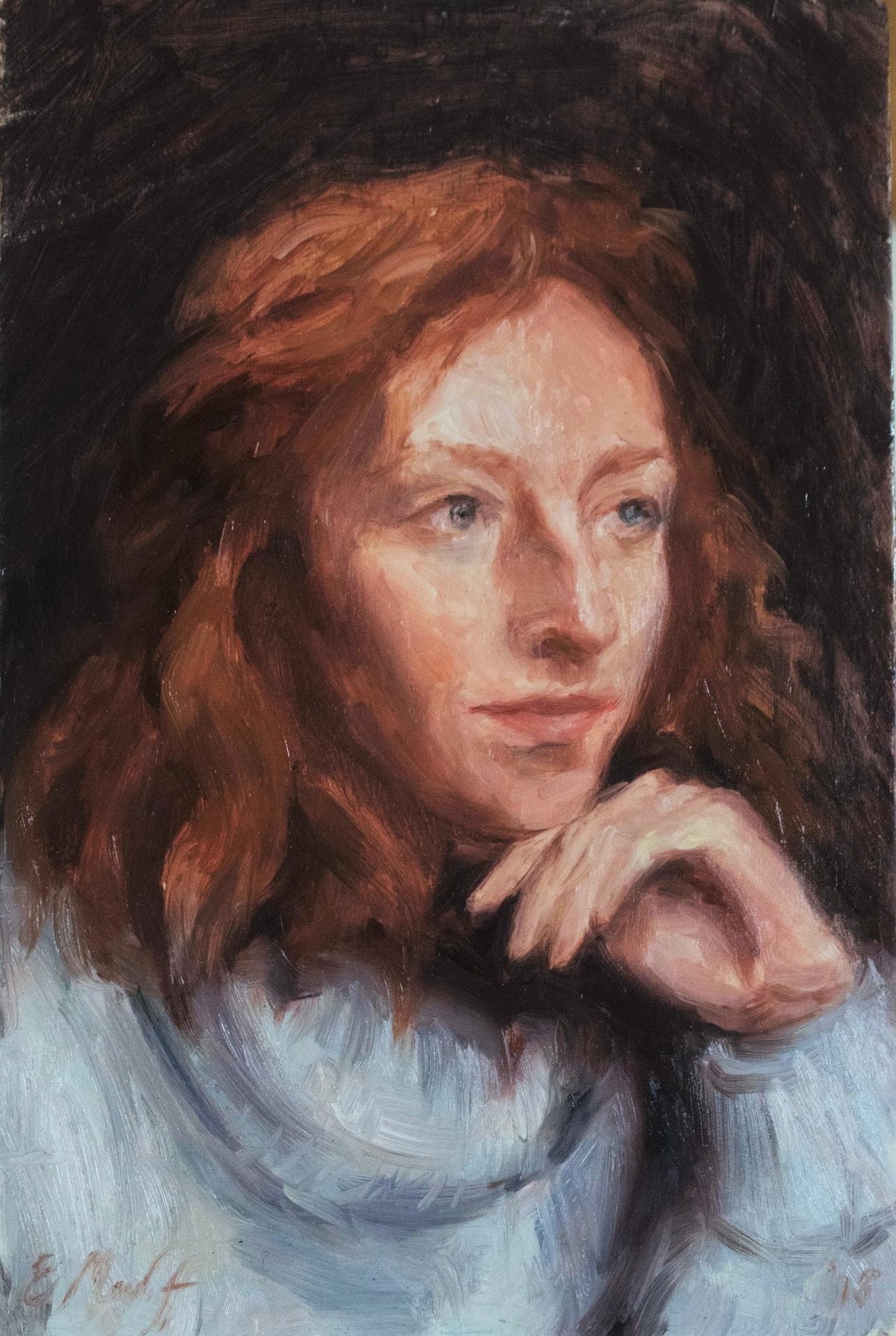
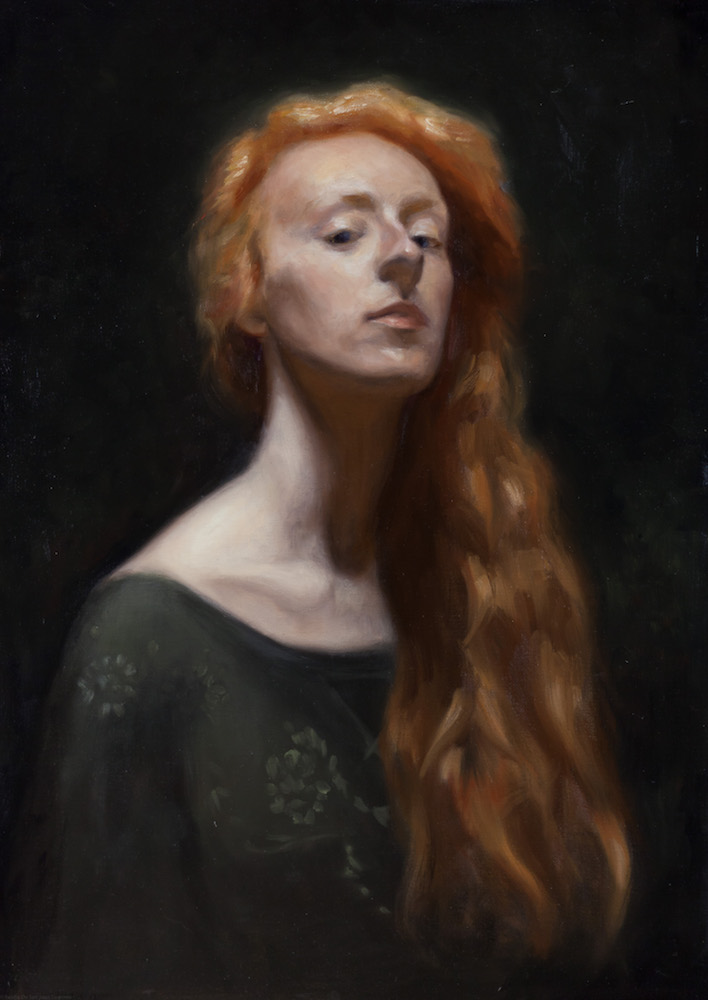
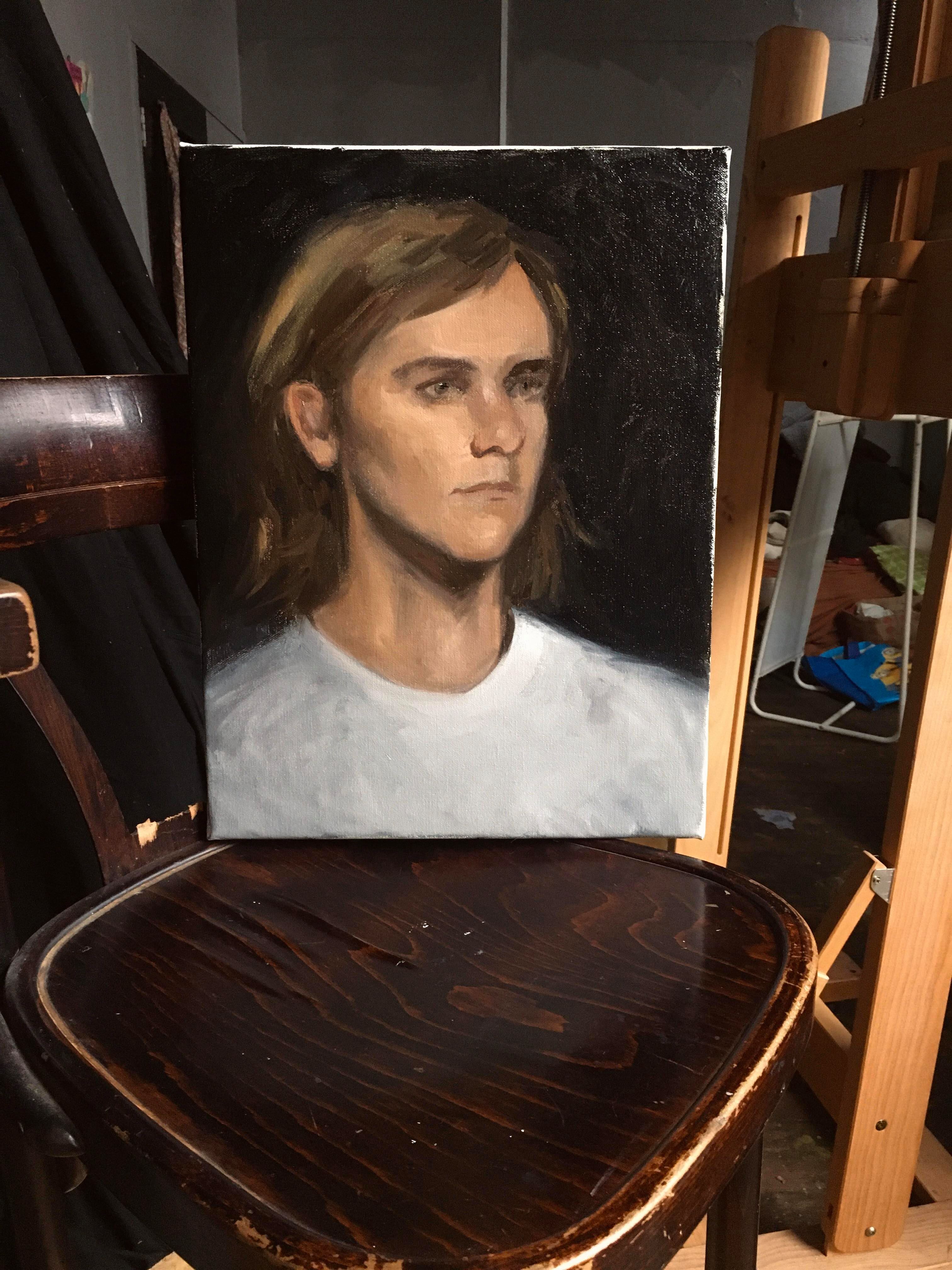
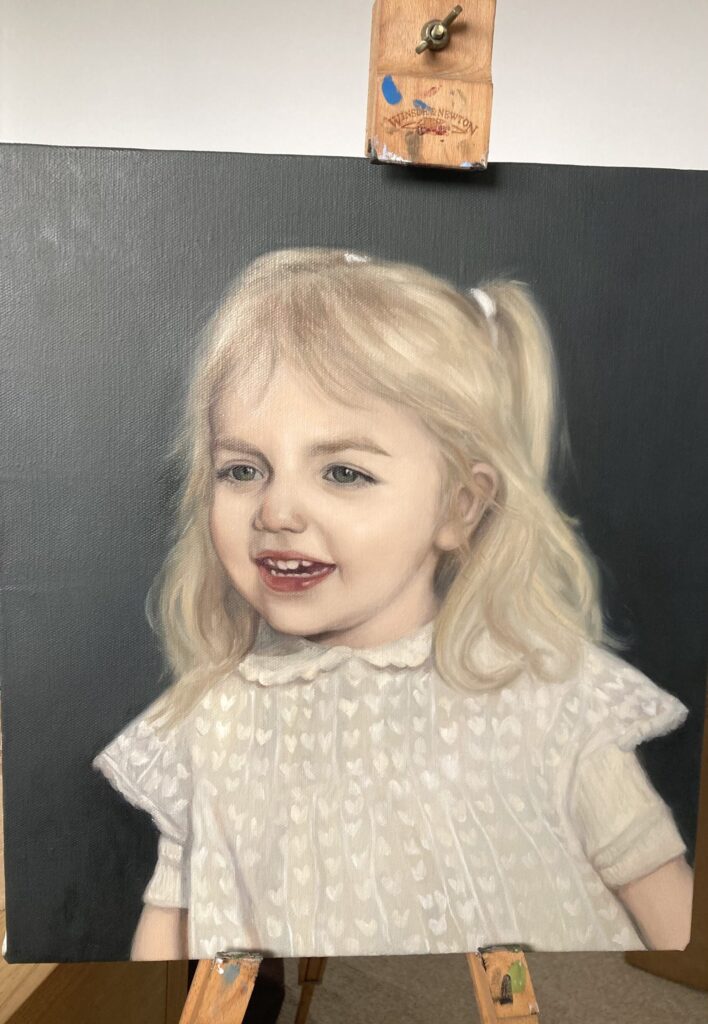
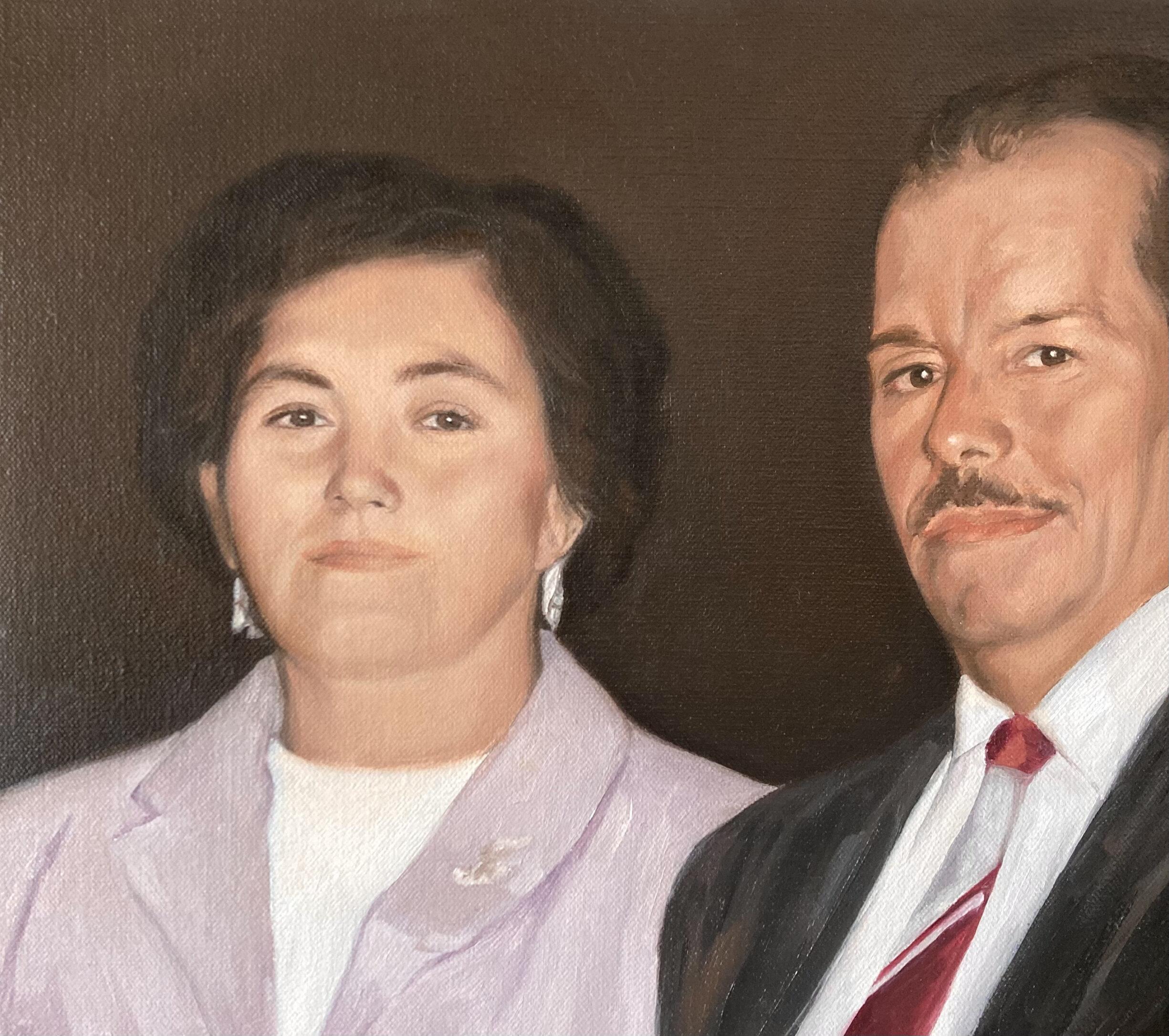
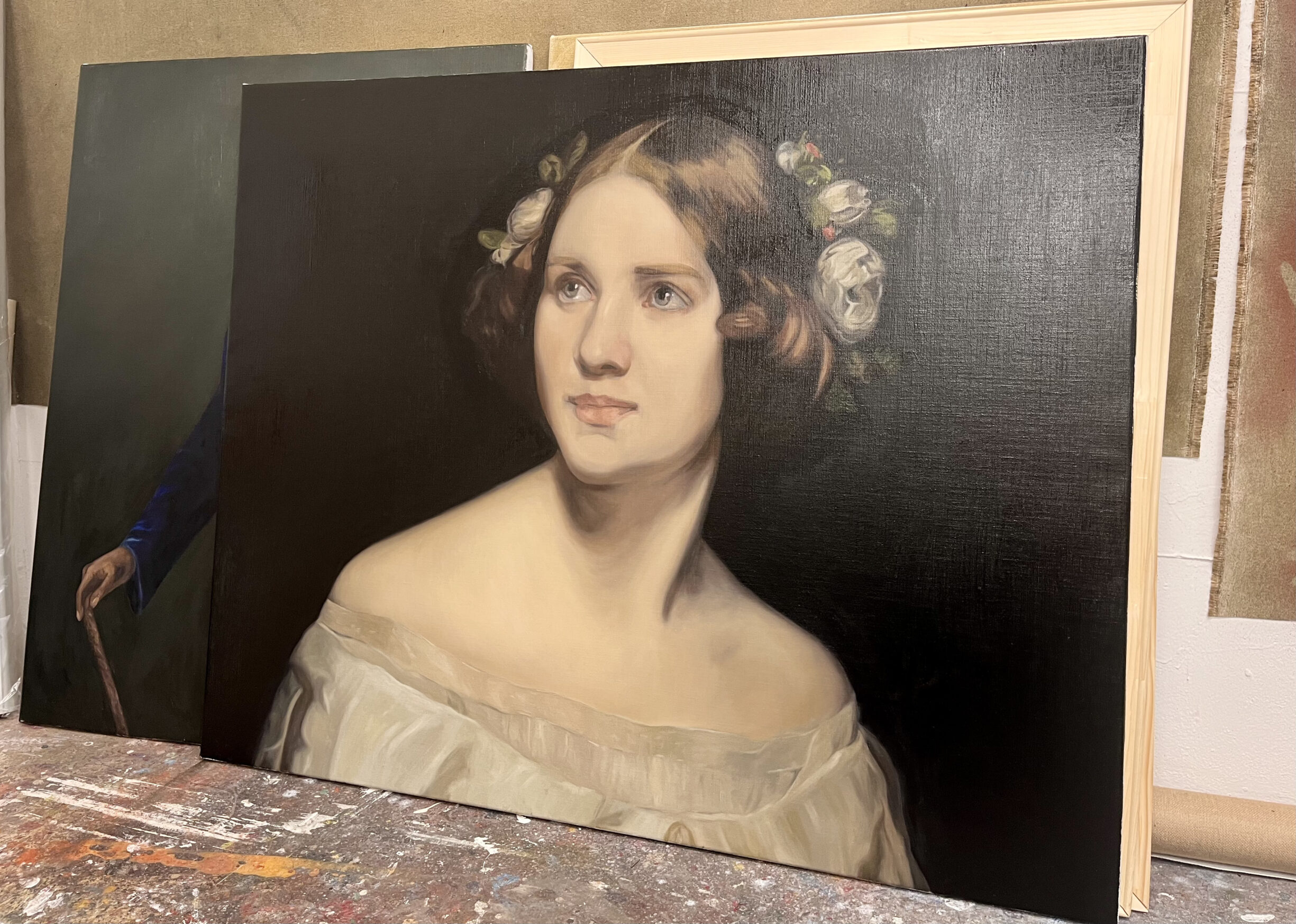
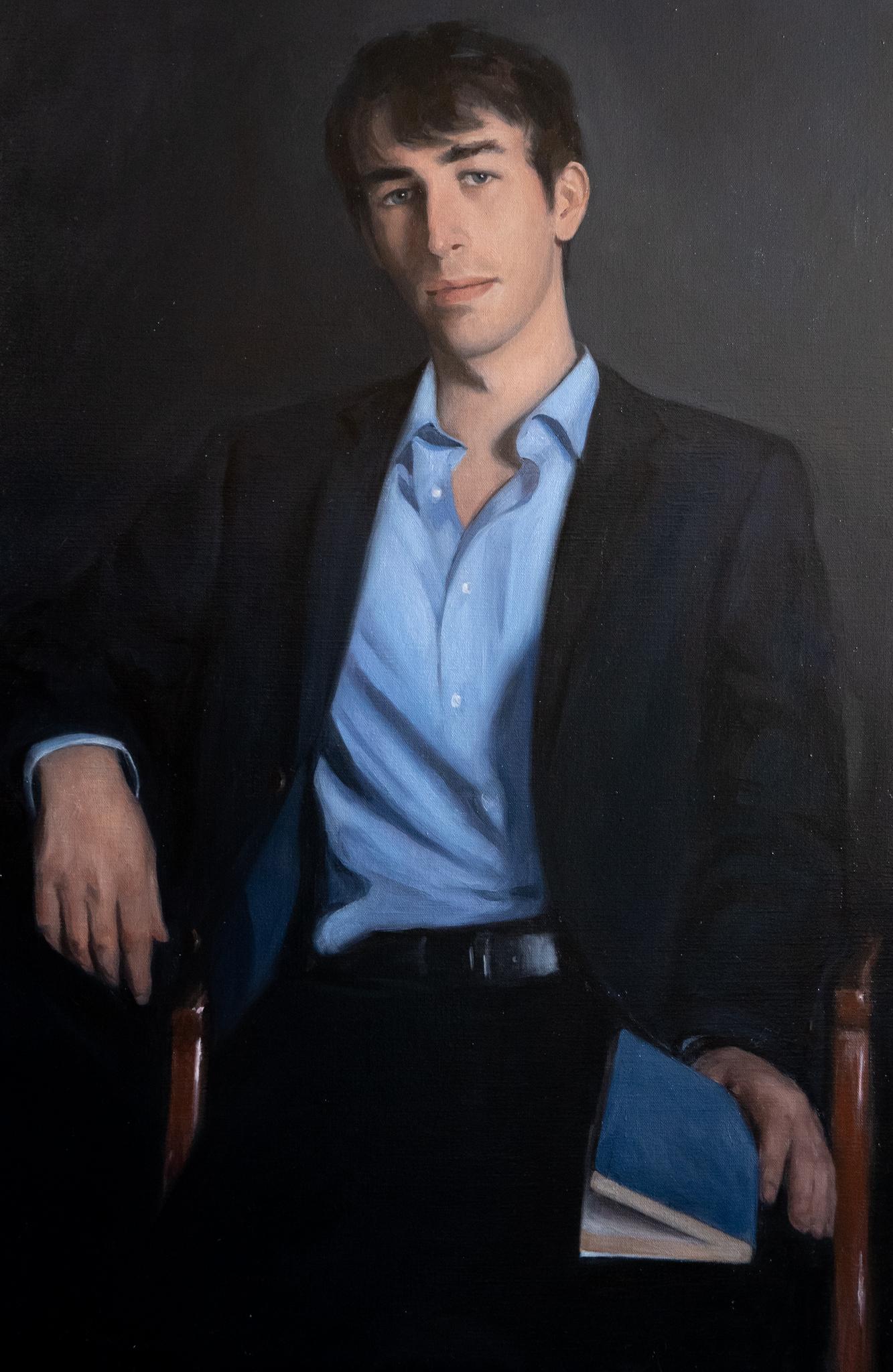
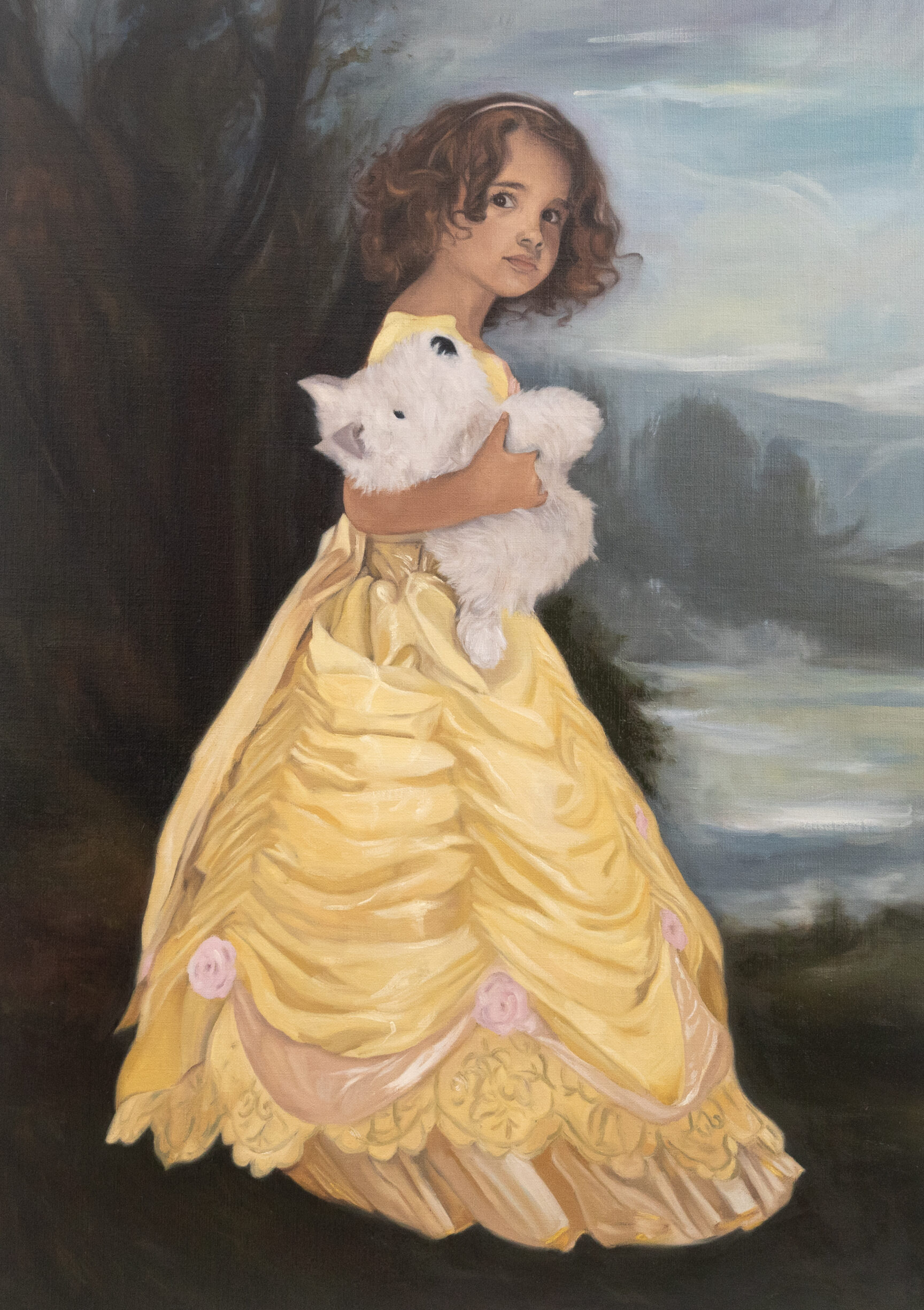
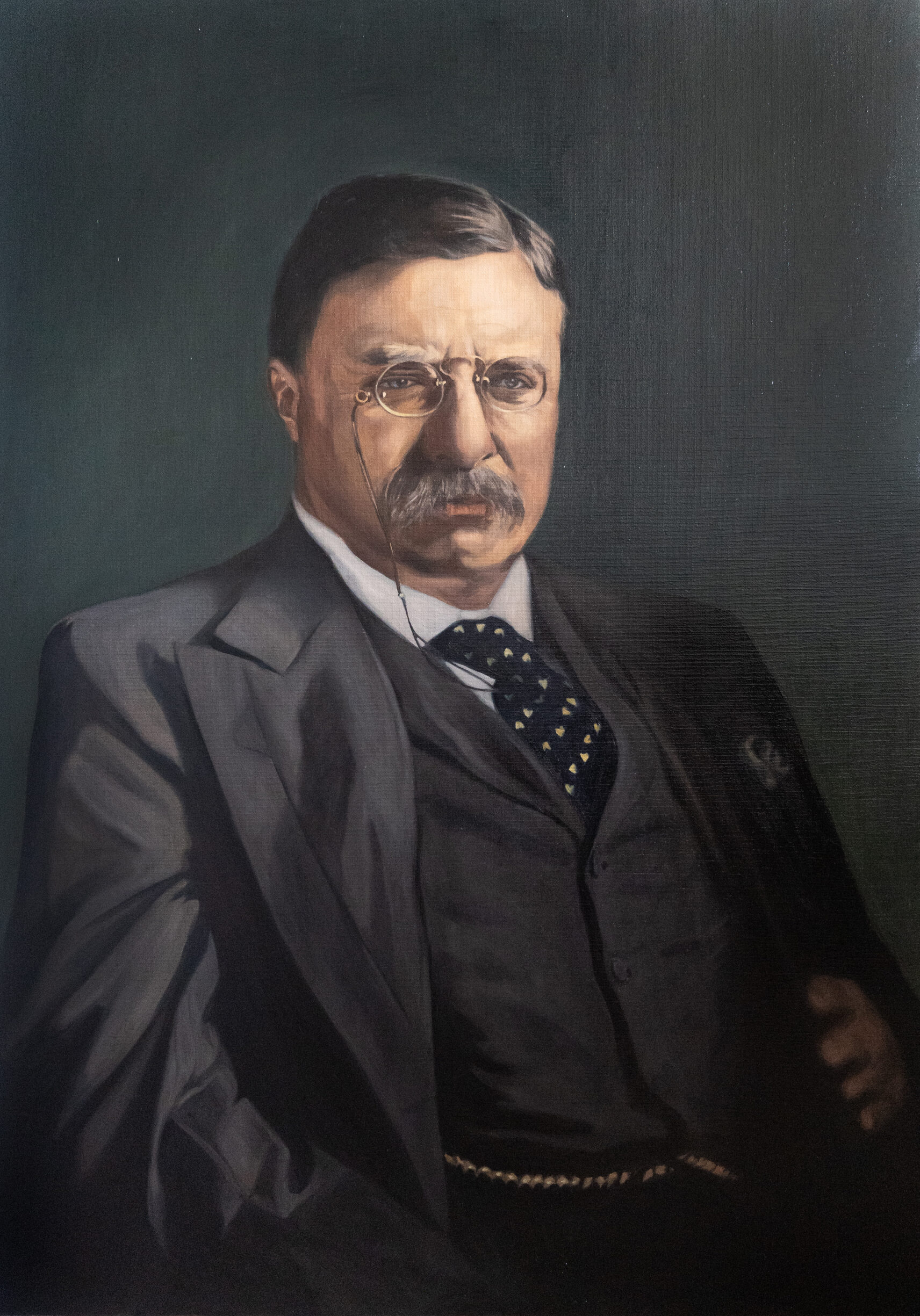
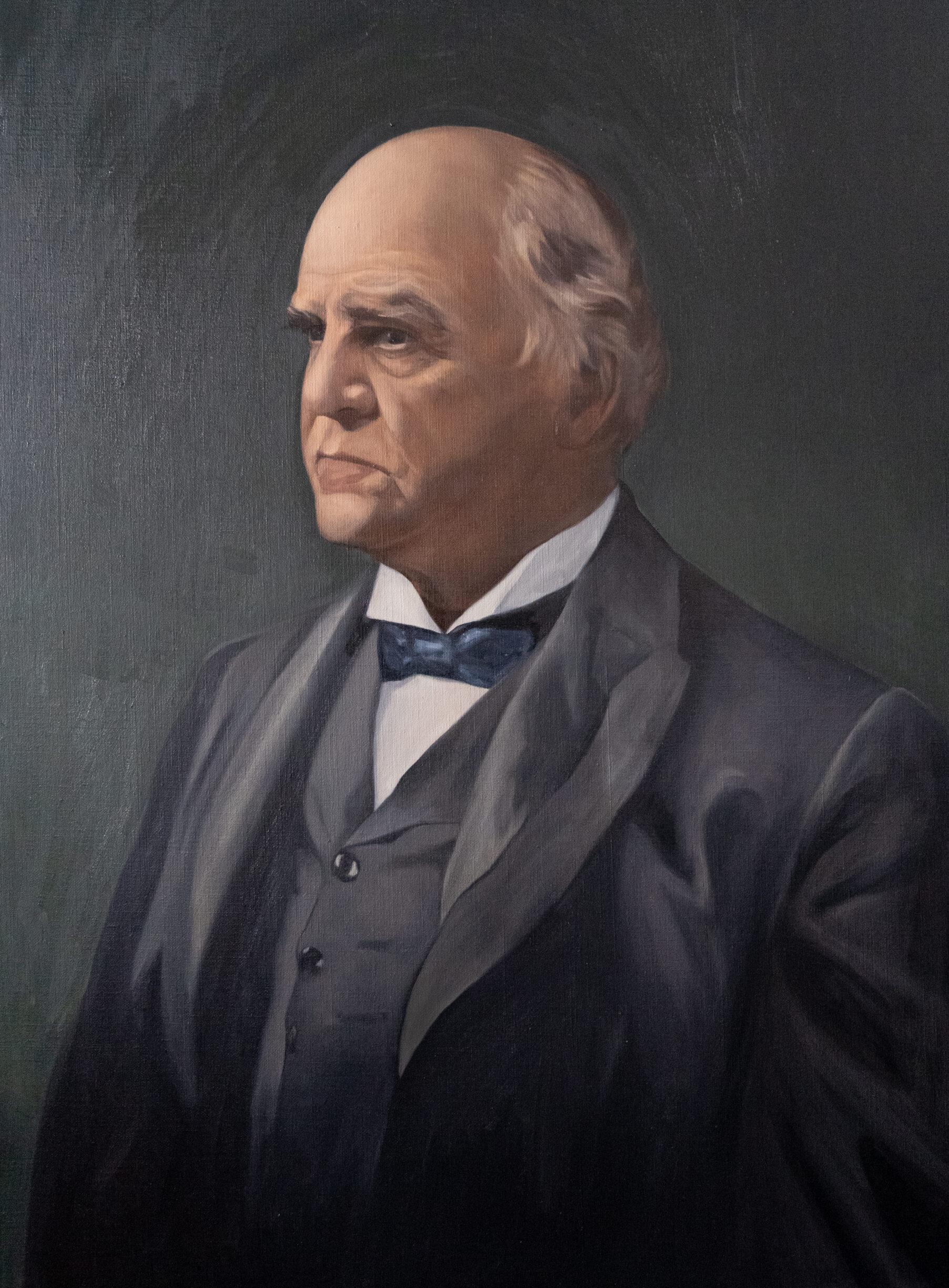
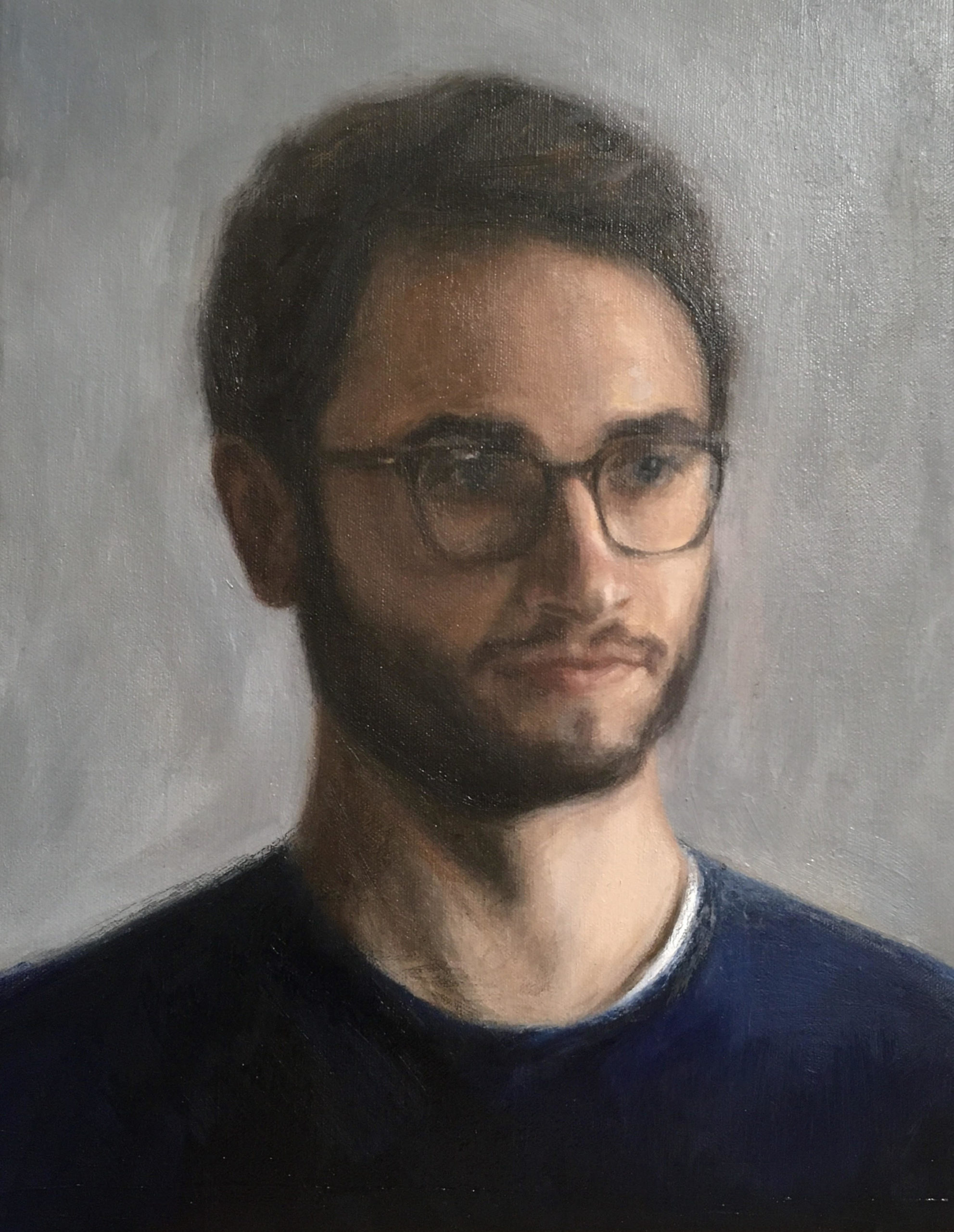
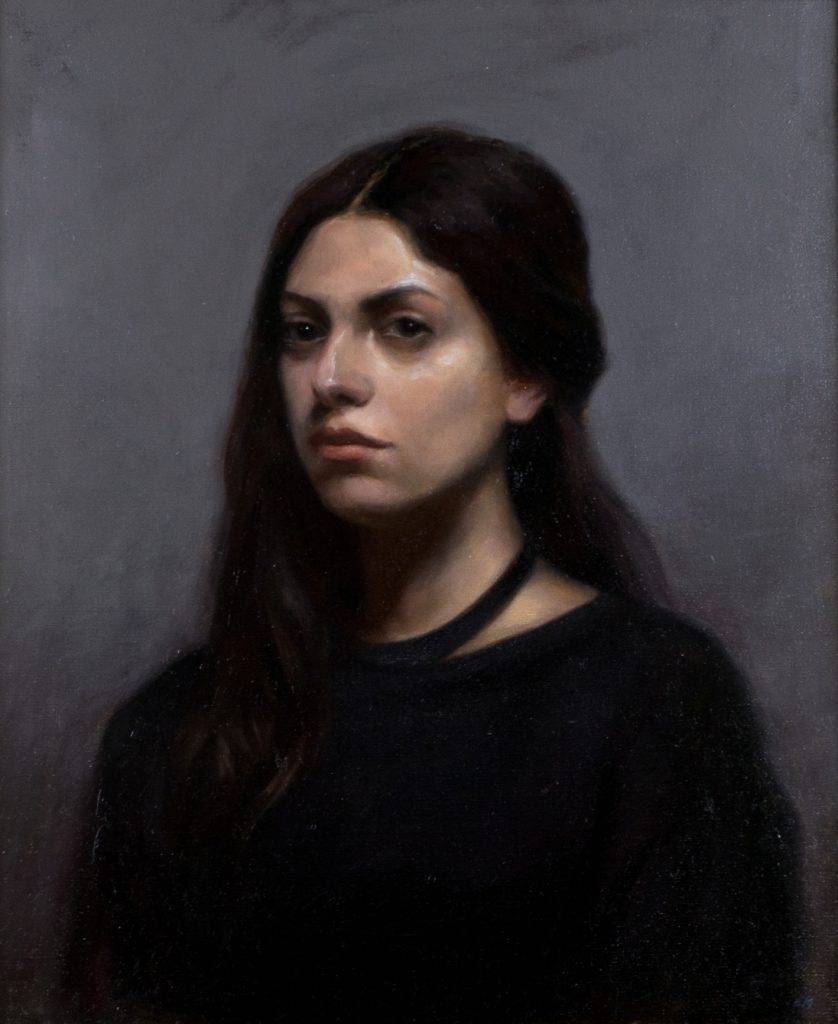
In an age of instant images and digital photography, choosing to paint a classical portrait can seem almost unusual. Yet classical portrait painting remains one of the most enduring and meaningful artistic traditions. More than simply recording a likeness, it is an attempt to understand a person through careful observation, patience, and craftsmanship.
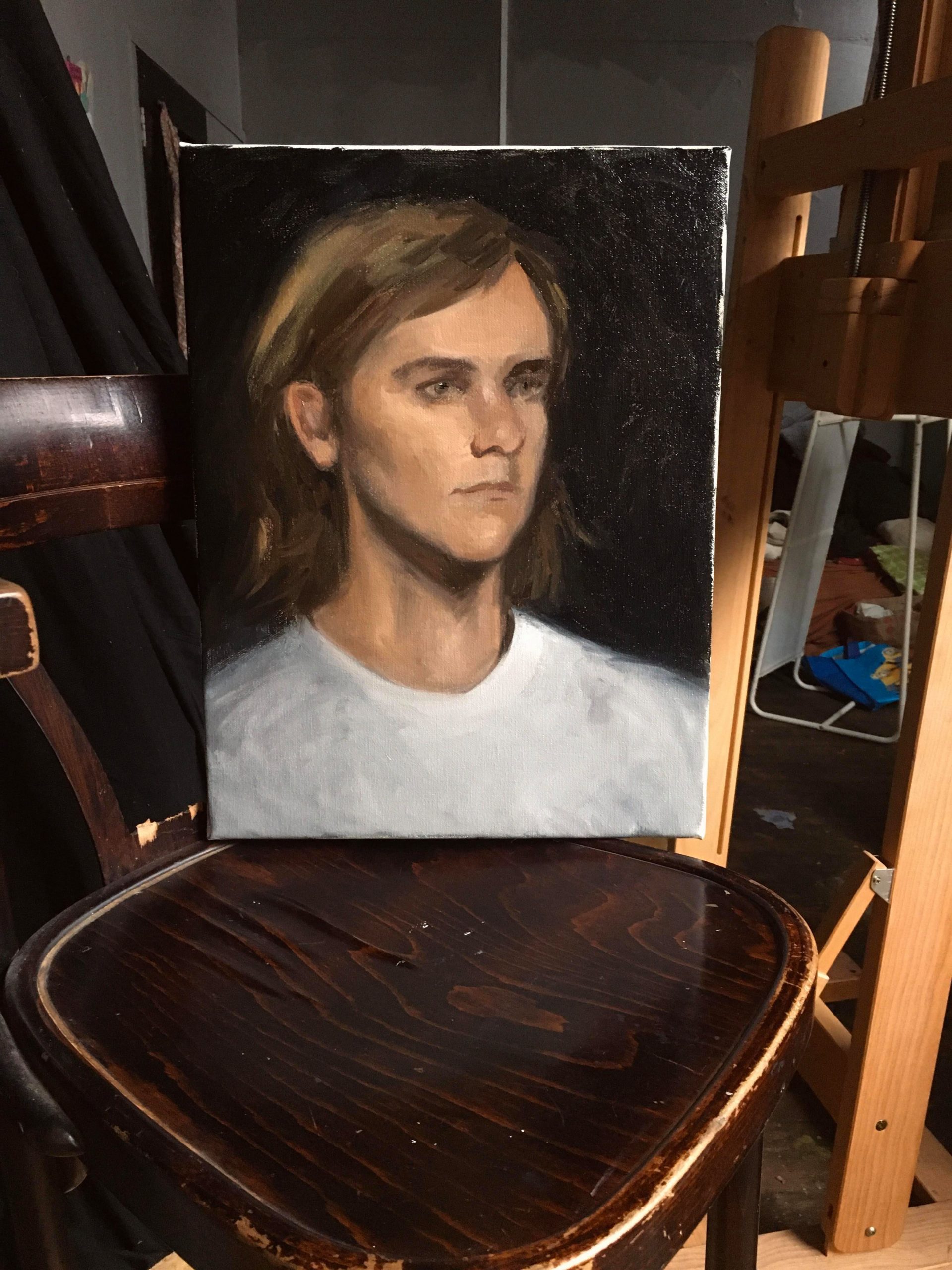
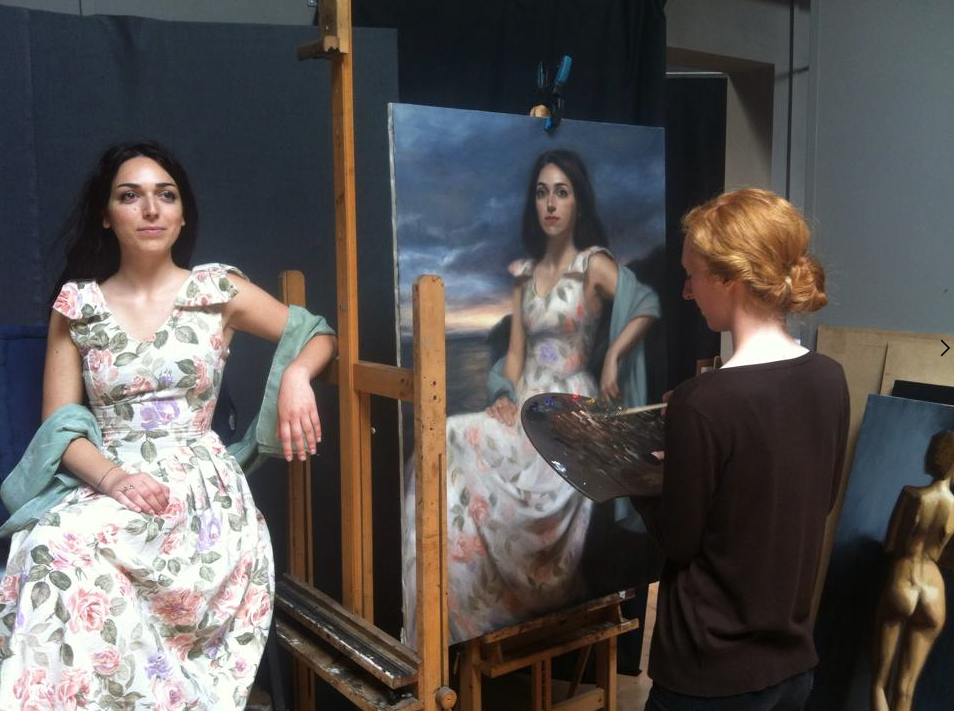
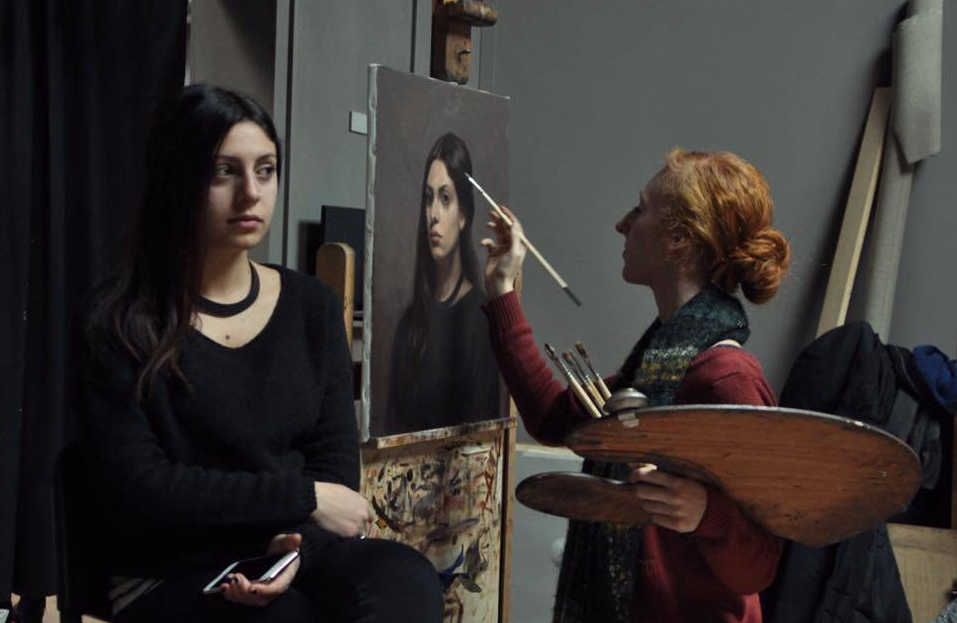
My own journey into this tradition began in Florence, Italy, where I spent three years studying at the Florence Academy of Art. The training follows the methods of the European Old Masters, with students working almost exclusively from life. Rather than relying on photographs, we spent countless hours drawing and painting directly from the human figure, learning to observe subtle shifts in light, colour, form, and line.
This approach is demanding, but it teaches something invaluable: how to truly see.
Learning the Language of Light
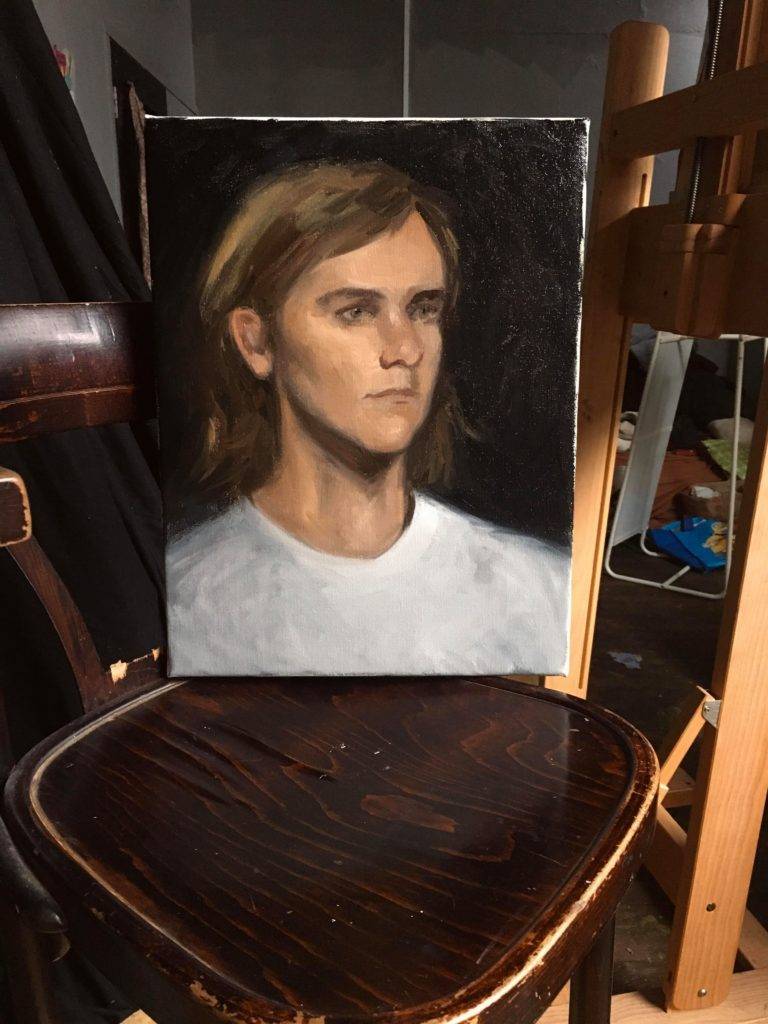
Classical painting is built upon centuries of accumulated knowledge. Students begin with one year of drawing before progressing to painting, developing an understanding of anatomy, perspective, composition, and value. Every decision is carefully considered, from the structure beneath the skin to the temperature of reflected light.
Working from life means responding to a living presence rather than a frozen image. A sitter breathes, shifts, and occupies space in a way that no photograph can fully capture. Painting becomes an act of sustained attention, requiring both technical discipline and sensitivity.
The goal is not simply realism for its own sake. It is to create a portrait that feels alive.
More Than a Likeness
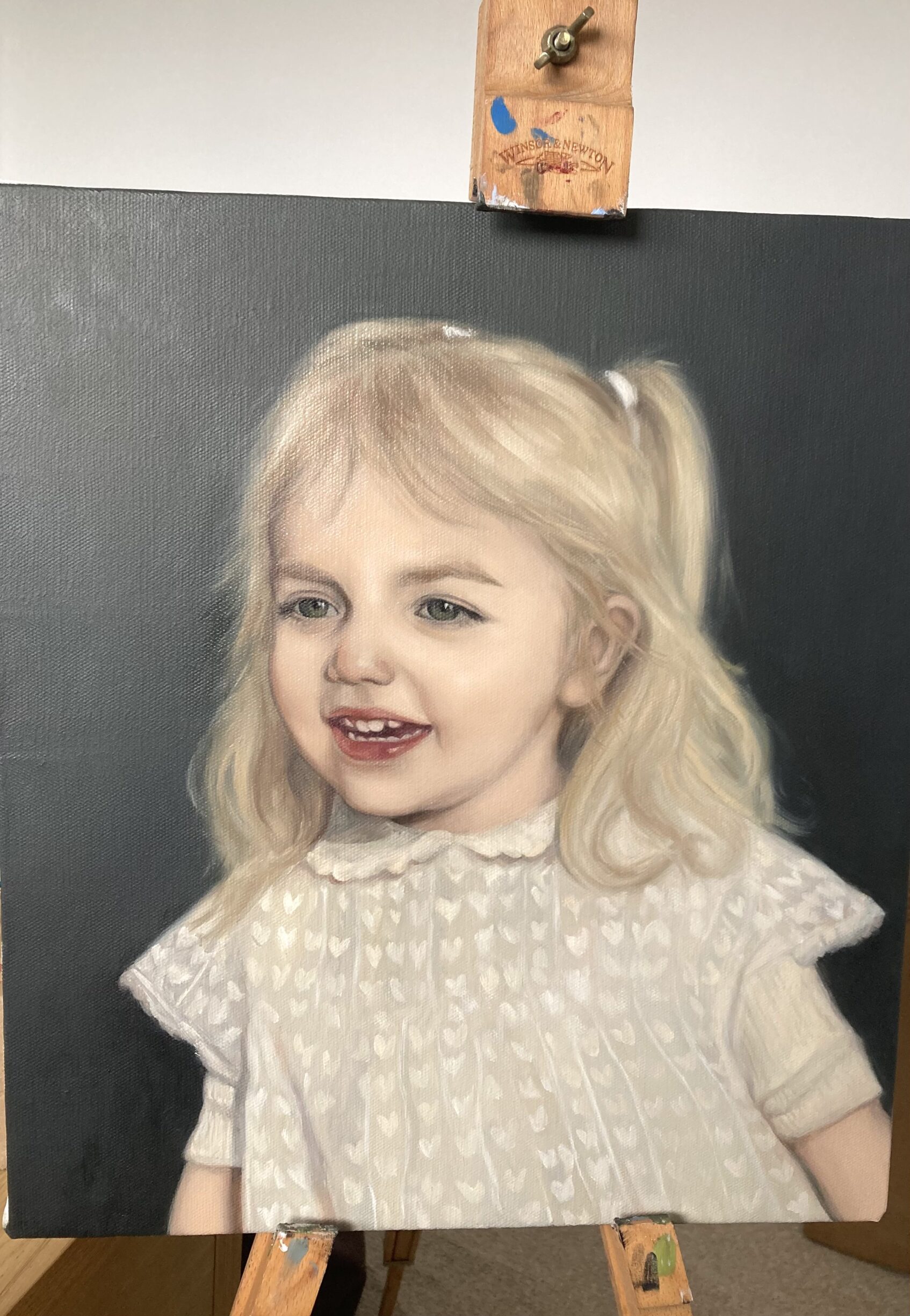
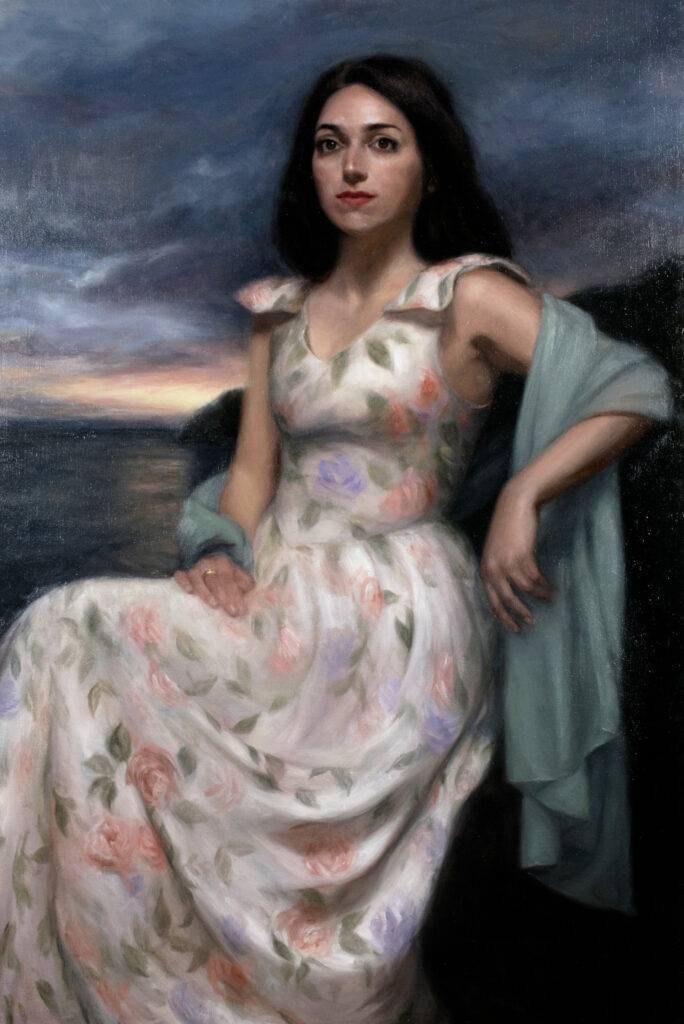
A successful portrait is about far more than accurate features. It should carry something of the sitter’s character, presence, and humanity.
Because a painted portrait develops over many hours or even weeks, there is time for a deeper relationship to emerge between artist and sitter. Small gestures, moments of quiet reflection, and subtle expressions gradually find their way into the work.
This slower process allows the painting to become something more than a record of appearance. It becomes a lasting object that holds both time and attention within it.
Whilst it is true that in today’s world we are not always able to give our time like the models who pose in the Florence schools, and working from photographs becomes part of the artists toolbox, I believe it is very important to meet the person if possible, to get a sense of them and translate this feeling onto the canvas.
Carrying the Tradition Forward
The discipline I learned in Florence remains the foundation of everything I paint. Careful observation, thoughtful craftsmanship, and working directly from life continue to shape my approach, whether I am painting a formal portrait or pursuing a more personal body of work.
For me, classical portrait painting is not about recreating the past. It is about preserving a way of seeing that values patience, presence, and genuine human connection.
In a fast-moving world, there is something quietly powerful about sitting still long enough to truly look at another person—and to create a painting that may be treasured for generations.
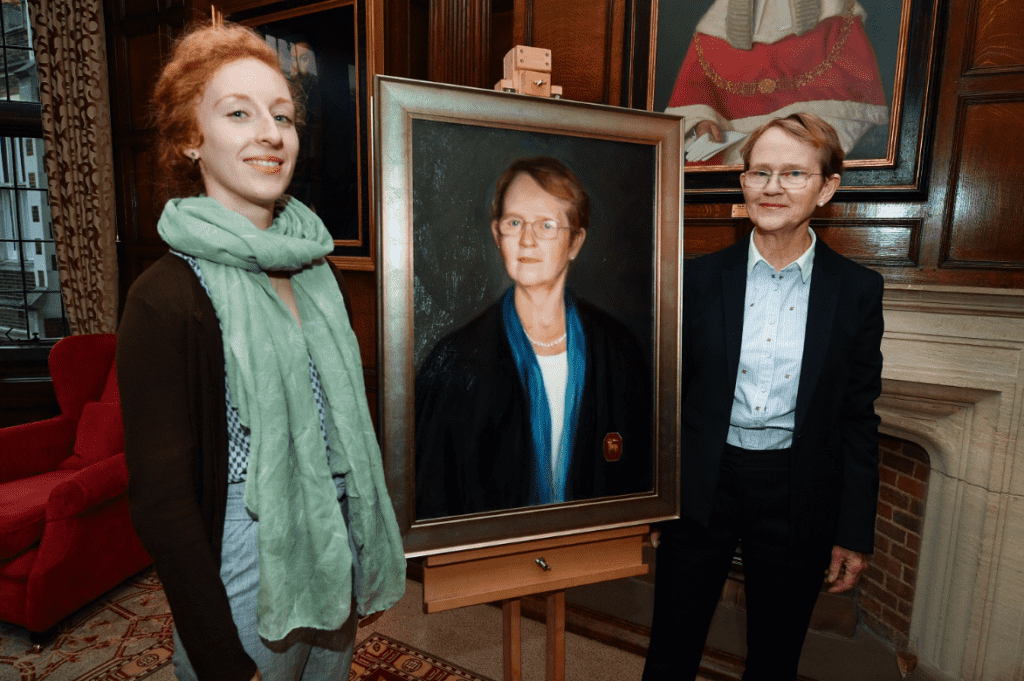
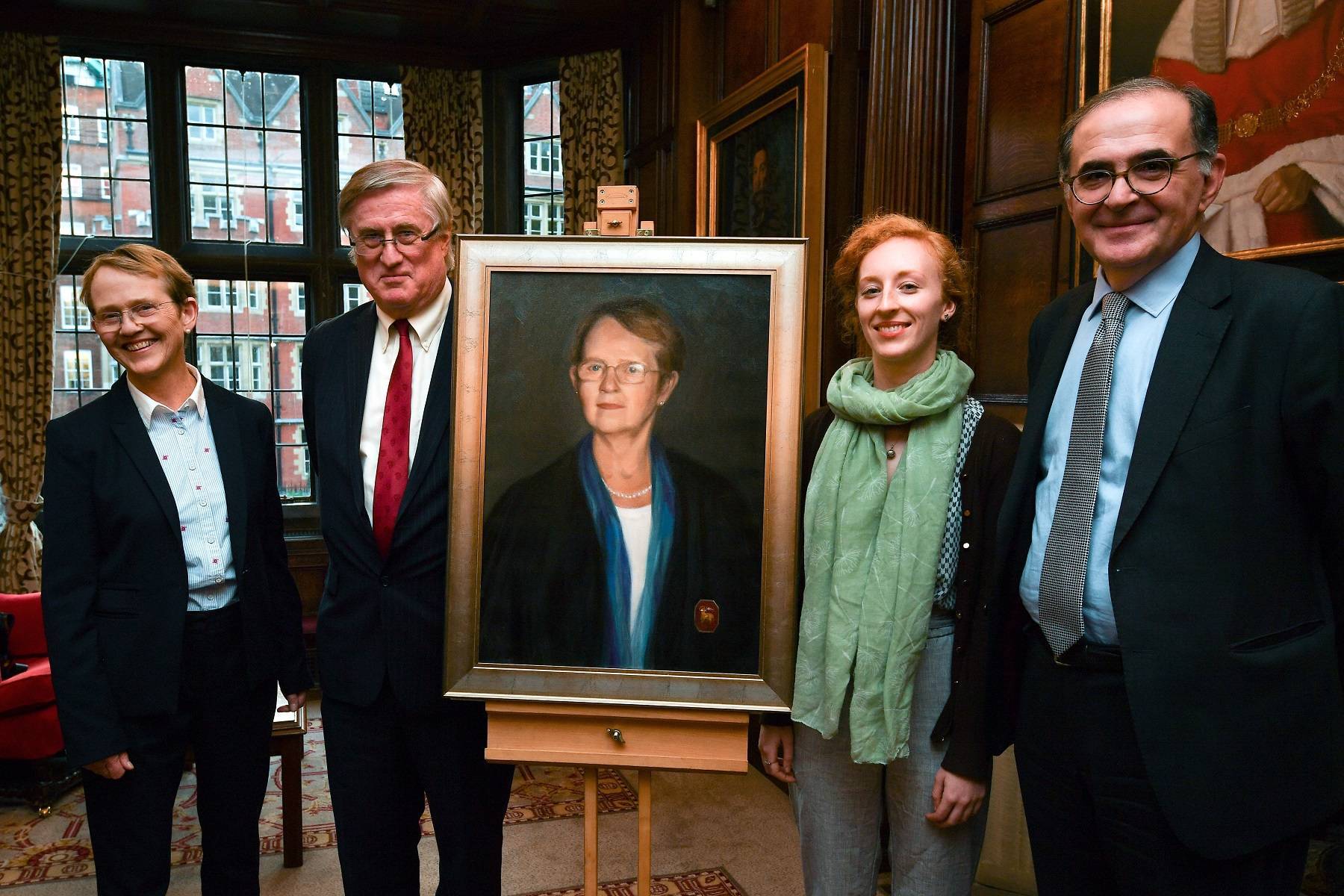
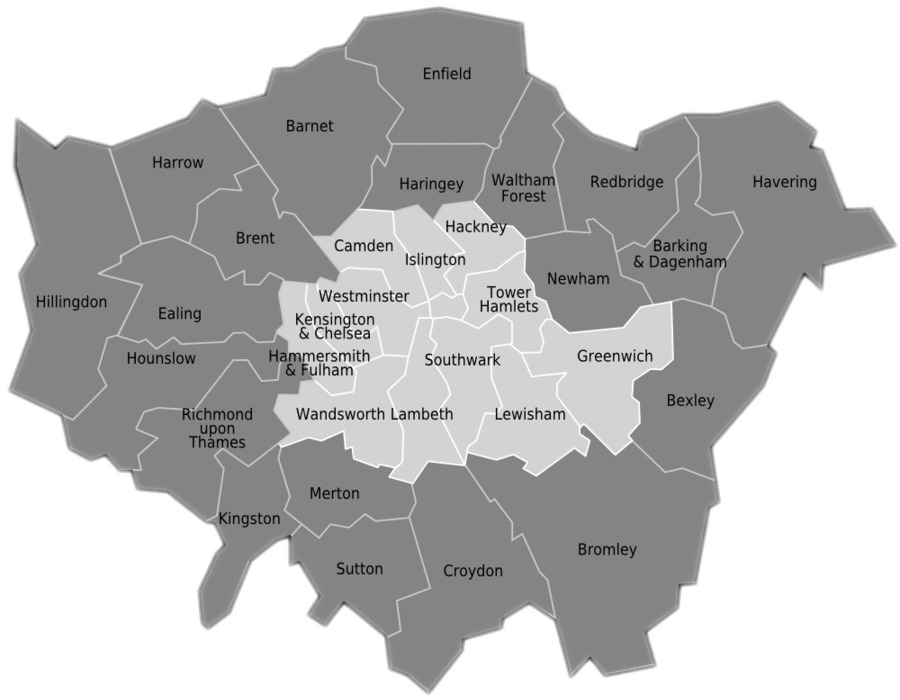
Oil paintings, portraits and completed commissions can be hand-delivered by the artist herself to Knightsbridge, Chelsea, West Brompton, Kensington, Westminster, and the City of London; in other areas of London a specialist courier will be used to deliver your painting.
Enquiries & More information:
- what kind of portrait are commonly commissioned?
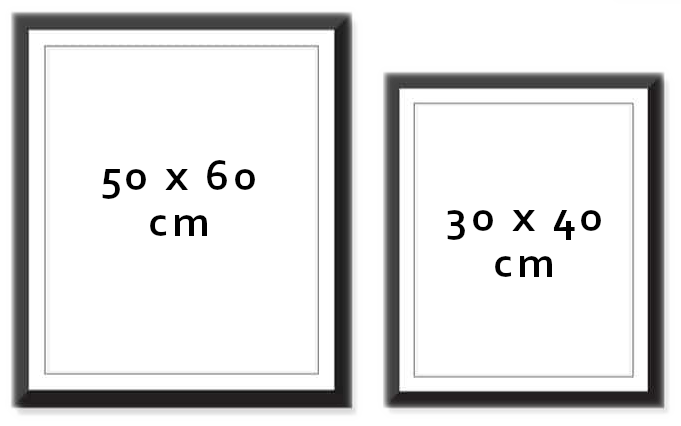
- what sizes are available?
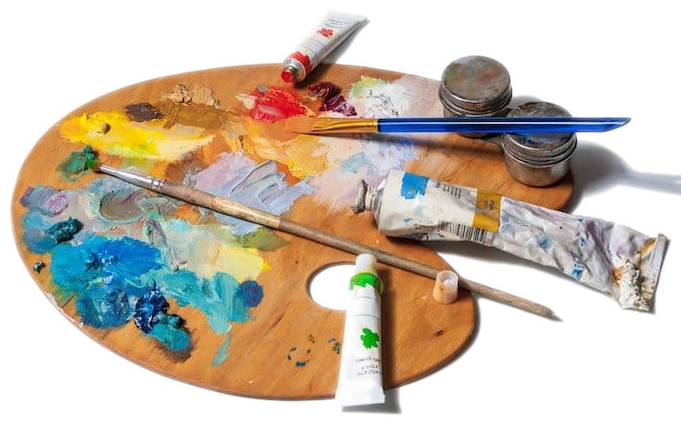
- what makes oil paint so interesting and unique?
- how many sittings are needed?
- what’s involved in the commissioning process?
- for any other enquiries, please don’t hesitate to contact me.